
What Is a Trucker Hat? a Complete Explainer Guide
A new brand owner once sent me two sample hats with the same logo and asked why one looked “retail” and the other looked like a giveaway. The answer had nothing to do with the logo itself. It was the hat shape, the front panel, and how the design sat on the crown.
The Quintessential American Hat You Already Know
If you've ever walked through a gas station, county fair, jobsite, concert merch booth, or streetwear shop, you've already seen the trucker hat in its natural habitat. It's one of those products that crosses worlds without changing its basic identity. Rural workwear wore it first. Fashion adopted it later. Brands still use it because it works.
A trucker hat has a very specific visual language. Tall front. Mesh back. Curved or flat brim. It reads casual, practical, and a little louder than a soft dad hat. That's part of why it has staying power. It doesn't disappear on someone's head.
The style also carries a lot of American promotional history. It started as a low-cost, highly visible hat people wore, which is why it became such a recognizable category over time. If you like the broader story of how hats move from utility to identity, Dirt Cheap Headwear's look at the history of headwear is worth a read.
A trucker hat isn't just another cap shape. It's one of the few hat styles that can feel equally at home on a landscaping crew, a brewery shelf, or a music merch table.
For a business owner, that range matters. You're not picking a hat just because it's trendy. You're choosing a product that can carry a logo well, fit a lot of people without sizing headaches, and still feel familiar enough that customers will wear it.
Anatomy of a Trucker Hat
When someone asks what is a trucker hat, the shortest accurate answer is this. It's a type of baseball cap built with a stiff front panel, a plastic mesh back, and usually an adjustable snap closure, a design intended to keep the wearer cooler in hot weather than a full-fabric cap, as noted in Wikipedia's trucker hat entry.
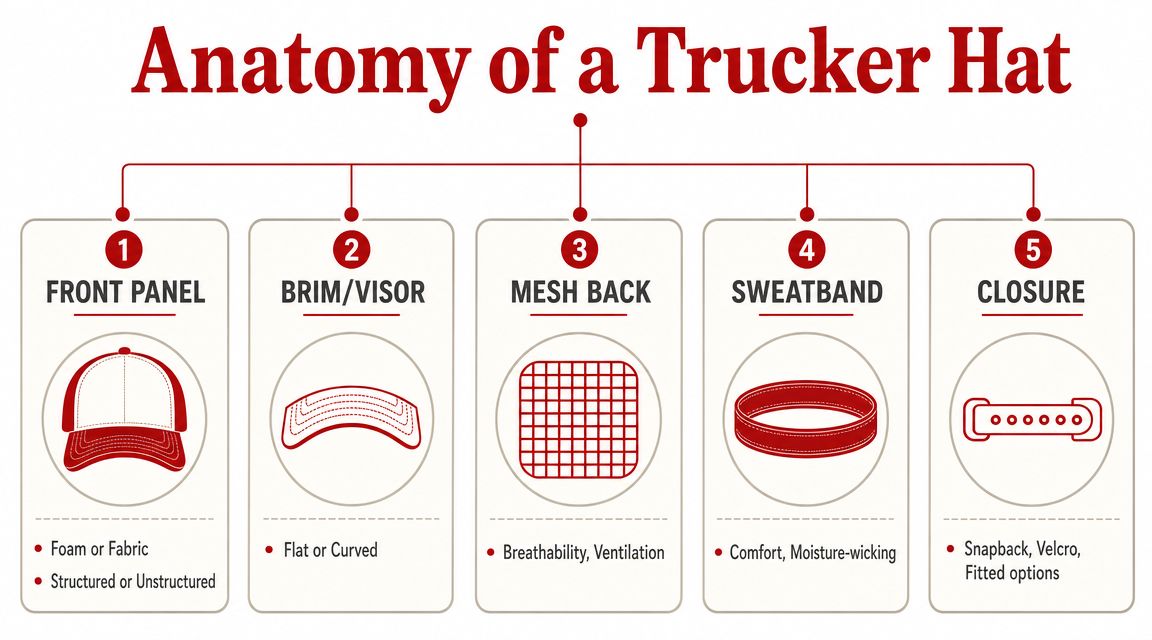
The front panel does the branding work
This is the part most business buyers should care about first. The front panel is what people see from across the room. On many trucker hats, that panel is taller and more structured than a standard cap, which gives your logo more presence.
That extra structure helps in a few ways:
- Cleaner embroidery: A firm front panel usually holds stitches better than a floppy one.
- Stronger shape: The logo doesn't collapse when the hat is set down or worn loosely.
- Better visibility: Bold marks, outdoor brands, team logos, and simple wordmarks usually read better on a taller crown.
If you're shopping blanks, a structured trucker hat is often the safest starting point for embroidery-heavy designs.
The mesh back is the real differentiator
A lot of people focus on the look, but the mesh is what makes the style functionally different. Trucker hats were built for airflow. That matters if your hats are meant for crews working outside, golf events, summer fundraisers, or sports sidelines.
Here's the trade-off. Mesh gives breathability, but it also makes the hat feel more casual than a fully closed-back cap. If you want polished corporate uniform energy, a structured full-fabric cap might land better. If you want something people will keep wearing in warm weather, trucker hats usually win.
Practical rule: If your audience will sweat in the hat, don't choose only by appearance. Choose by airflow, crown height, and how the sweatband feels after a few hours.
The closure keeps sizing simple
Most trucker hats use a snapback closure. For wholesale orders, that's useful because you don't have to manage a lot of fitted sizes. It makes the style easier to distribute to staff, teams, event attendees, and customers.
You'll also hear a few trade names for the style:
- Mesh cap
- Netback cap
- Feed cap
- Gimme cap
Those names point to the same basic idea. A work-friendly, promotional-friendly cap that turned into a lasting retail style.
From Promotional Giveaway to Fashion Staple
A lot of business owners treat trucker hats like a fashion choice first. In the headwear world, they started as a distribution tool.
Feed stores, farm brands, equipment companies, and local suppliers used trucker hats because they were cheap to hand out, easy to fit, and hard to miss once somebody put one on. That history still matters if you're ordering hats for a brand today. The trucker hat was built to carry a logo in public, over and over, without much friction for the wearer.
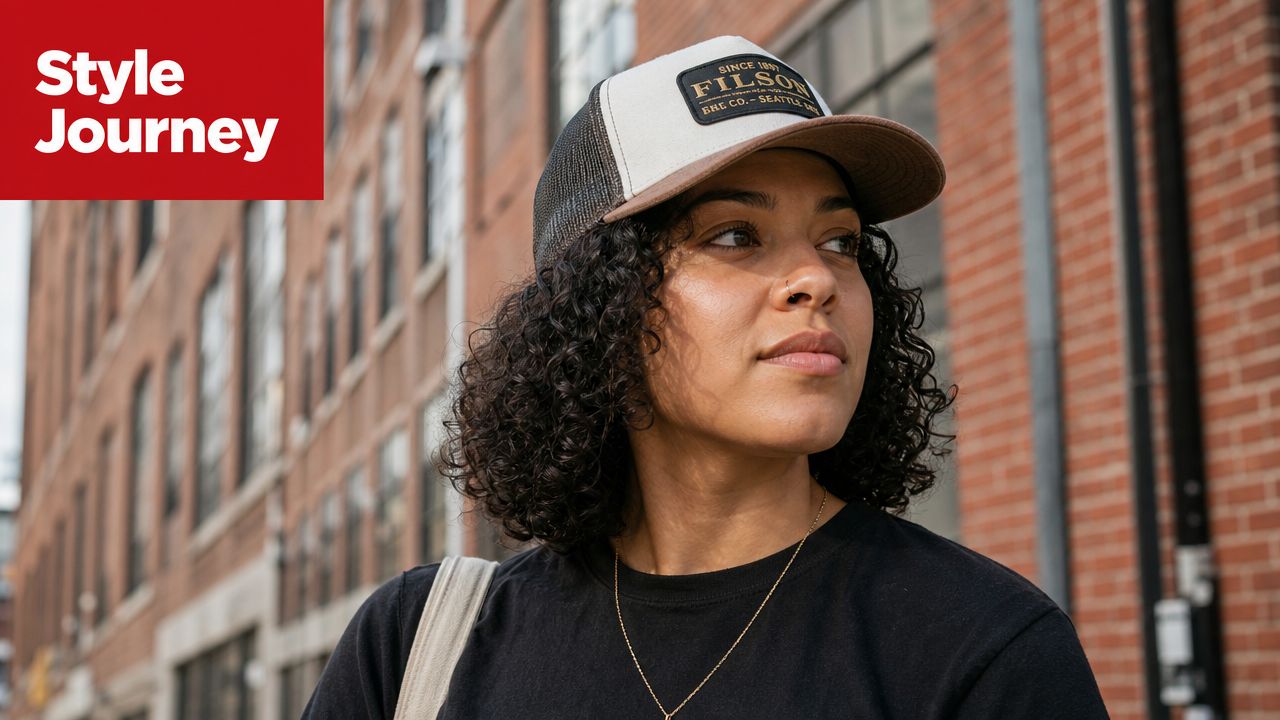
Why that history still matters to brands
That original use case lines up with what a lot of brands still need. A trucker hat can cover several jobs at once if you choose the blank and decoration well:
- Staff headwear for crews, installers, drivers, and event teams
- Giveaway merch that people may keep wearing
- Retail product for breweries, shops, golf brands, auto businesses, music merch tables, and local lifestyle brands
- Low-complication sizing for mixed groups, because snapbacks reduce fit issues
That last point matters more than people expect. If you're ordering for a team, a promotion, or a customer base with broad fit needs, fewer size decisions usually means fewer leftovers and fewer complaints.
How it became a fashion staple
The trucker hat spent years as practical branded gear before it crossed into mainstream fashion. That long runway gave the style some staying power. It already had a workwear and Americana identity, so once fashion picked it up, the hat came with a point of view instead of feeling invented in a design meeting.
For brands, that creates useful range. A foam-front version can read loud, nostalgic, and promo-driven. A cleaner twill-front trucker with tight embroidery can feel more retail-ready. Same hat family, different result.
The key differentiator is that trucker hats still perform well as merchandise even after they became fashionable. Plenty of branded products look good in a launch photo and disappear after that. Trucker hats keep showing up in trucks, on job sites, at weekend events, behind retail counters, and on customers who were never part of the original campaign.
That is why they keep selling.
If you're building merch for a business, the trucker hat gives you room to position the brand without overcomplicating the product. It can signal outdoors, blue-collar credibility, motorsports, regional pride, surf, streetwear, or old-school promotional charm. The logo does part of the work, but the hat style does part of it too. That combination is what makes trucker hats such a useful branding piece, especially for businesses that want one product to work as both giveaway merch and something customers would pay for.
Exploring Trucker Hat Variations and Brands
Not every trucker hat behaves the same. Two hats can both be called trucker hats and still give you very different results once embroidery, patches, and fit enter the conversation.
Five-panel versus six-panel
This is one of the first things I look at for custom work.
A five-panel trucker has one uninterrupted front face. That's useful when you have a centered logo, a patch, or bold text that needs clean placement. There's no center seam splitting your artwork.
A six-panel trucker has the traditional seam down the middle. Some logos still look excellent on it, especially classic embroidery, but intricate center details can become harder to place cleanly.
Here's the quick comparison:
| Style | What it looks like | Best for | Watch out for |
|---|---|---|---|
| 5-panel | Broad single front panel | Patches, large prints, centered logos | Can look taller or more fashion-forward |
| 6-panel | Classic cap shape with center seam | Traditional brand marks, team looks, everyday wear | Center seam can interfere with fine details |
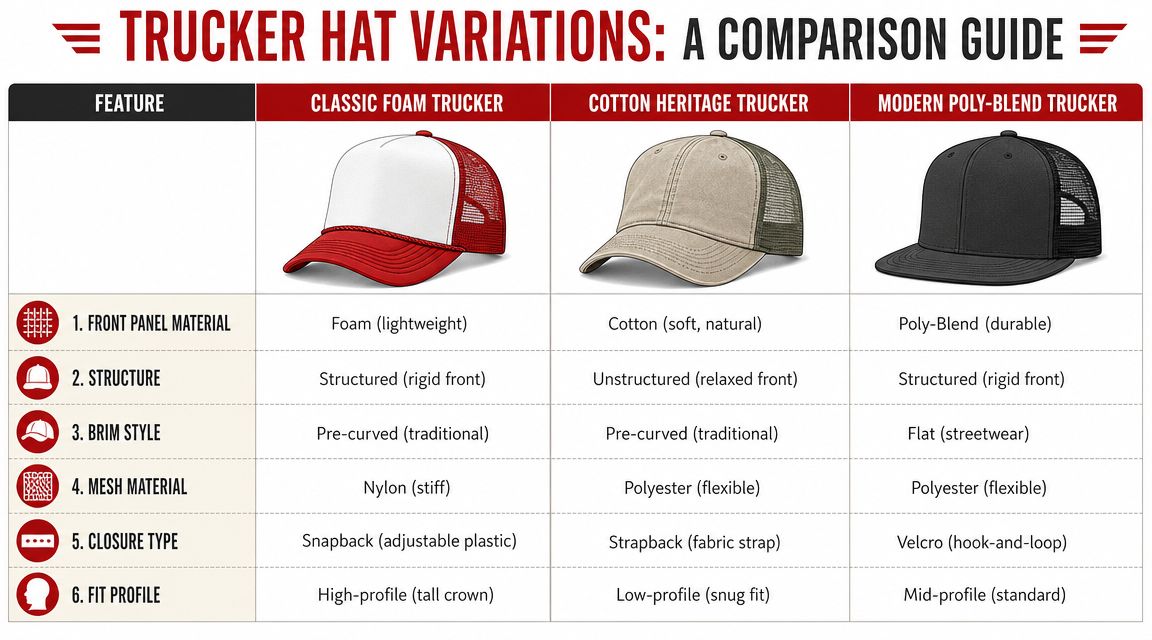
Foam front versus twill or poly front
The front panel material changes the personality of the hat.
Foam-front trucker hats feel classic and promotional. They lean vintage, loud, and casual. They're great when you want a retro gas-station feel, festival merch energy, or a high-contrast patch.
Cotton twill fronts feel softer and more heritage-driven. They're a good fit for coffee brands, local shops, outdoor companies, and businesses that want a less shiny, less novelty look.
Poly or poly-blend fronts usually make sense when durability and consistency matter more than softness. They're common for team use, active wear, and situations where the hats may see rougher handling.
Profile and brim shape
Don't overlook profile. A high-profile crown gives your logo more billboard space, but not everyone likes how tall it feels. Mid-profile truckers are often easier for broad audiences because they still carry the trucker look without sitting too high.
Brim shape also changes the message:
- Pre-curved brim: More traditional, easier sell for everyday wear
- Flat brim: More streetwear-oriented, stronger visual edge
- Slight curve: Good middle ground for mixed audiences
The wrong trucker hat usually fails in fit before it fails in decoration. If the crown feels awkward, the customer won't care how good the stitching looks.
Brands people actually buy
At wholesale, buyers often compare names like Richardson, YP Classics/Flexfit, and Valucap because each tends to serve a different balance of price, shape, and finish. Richardson styles are popular when buyers want a familiar retail silhouette. YP Classics often enters the conversation for modern fits and broad color availability. Valucap is a practical option when budget matters and you still need a reliable blank.
The smart move isn't chasing a brand name alone. It's matching the blank to the audience, the logo type, and the price point you need to hit.
A Buyer's Guide to Customizing Trucker Hats
Customization is where a trucker hat either becomes a brand asset or stays just another blank cap. Most mistakes happen before production starts. The logo is too detailed, the hat shape doesn't match the decoration, or the buyer picks a style based only on color.
The functional side matters too. The trucker hat's high front panel and breathable mesh back were originally built for airflow in hot weather, and that still makes the style a strong choice for outdoor work, events, and sports teams, as explained by Custom Lids. If your staff or customers will wear the hat outside for long stretches, that practical edge should be part of the buying decision.
Match the logo to the decoration method
Not every logo belongs in embroidery. That's the first thing I tell new buyers.
Use this rule of thumb:
- Standard embroidery works well for clean logos, simple icons, initials, and bold text.
- 3D puff embroidery fits chunkier designs that can handle raised stitching. Thin lines usually don't translate well.
- Woven or embroidered patches help when the logo has borders, badge shapes, or a vintage look.
- Leather or faux leather patches can look strong on outdoor, western, or heritage branding, but they change the tone of the hat fast.
If your artwork is complicated, simplify before you stitch. Tiny text, soft gradients, and intricate outlines are where hats start to look messy.
For buyers comparing decoration options, this page on trucker hat embroidery gives a useful look at what the format supports.
Pick colors that help the logo
A lot of first orders fail because the buyer chooses the hat color they like personally instead of the one that helps the design read. Contrast usually wins.
Good examples:
- Dark front panel + light thread for strong readability
- Neutral crown colors if you want broad appeal
- Mesh color matched to brand palette when you want the side and back view to feel considered
- Undervisor or rope accents only when they support the logo instead of competing with it
If you're selling online, mockups matter almost as much as the finished hat. A tool like flat lay to model ai can help you turn static product images into model-based visuals, which makes it easier to see whether your hat color and crown shape look right on a person before you commit to launch assets.
Here's a quick look at decoration in action:
Order like a merch buyer, not like a first-timer
New buyers often either overcomplicate the first run or order too many styles at once. Keep the first drop tight.
A smart first wholesale order usually means:
Start with one reliable blank
Don't test four crown shapes at once unless you already know your audience.Choose one hero logo
One strong front decoration beats several average versions.Build around actual use
Staff uniforms, fundraising merch, retail shelves, and tournament giveaways all need different choices.Ask about minimums and proofs
This matters when you're testing a logo or launching a small brand.
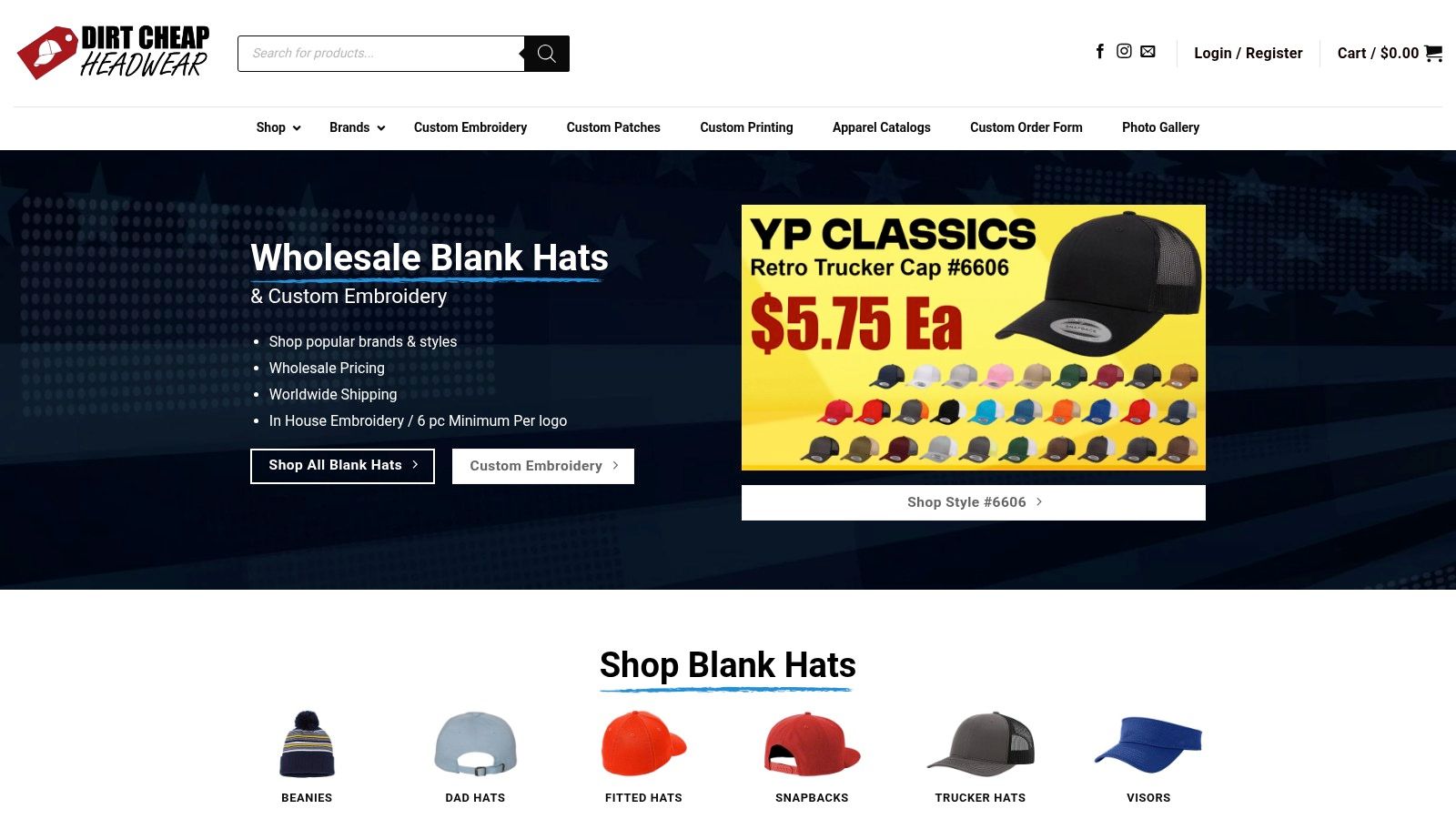
Dirt Cheap Headwear is one option for this kind of order structure. It offers blank hats, wholesale purchasing, in-house decoration, and low minimums for custom logos, which is useful when you need a small branded run without moving straight into a large bulk commitment.
A trucker hat sells best when the blank, the logo, and the audience all agree with each other. If one of those is off, the finished piece feels off too.
How to Style Your Hat and Final Takeaways
A trucker hat usually works best when it looks like it belongs in the setting where people will wear it. For a brewery, a washed tee, work shirt, or denim jacket pairs naturally with a curved-brim mesh-back cap in black, tan, or navy. For a gym or tournament brand, a taller crown with a cleaner front panel can carry a bolder logo and still look right with performance gear, hoodies, or warm-up jackets.
That practical fit matters more than chasing a trend.
For staff uniforms, keep the hat easy to wear across different ages and personal styles. A medium-profile trucker with a pre-curved brim, neutral front panels, and a clean embroidered front usually gets the fewest complaints and the most repeat wear. If the goal is retail merch, you can push the shape a little more. A higher crown, contrast rope, or foam front can stand out on a shelf, but each choice narrows the audience a bit.
I usually tell new buyers to style the hat on the body, not in isolation. A loud patch on a neon crown may look fun in a mockup, then feel hard to wear once it reaches a customer. A simpler build often wins because people reach for it three times a week instead of once.
That is the takeaway. A trucker hat is not just a casual cap with mesh in the back. It is one of the few branded products that can cover staff use, event giveaways, and retail merch if you match the shape, decoration, and color story to the job.
The best-performing trucker hats are rarely the busiest ones. They are the ones people grab without thinking because the fit feels familiar, the logo reads fast, and the hat works with the clothes they already own.
If you choose with that standard in mind, the trucker hat stops being a generic promo item and starts doing brand work in practical use.
If you're ready to test a design or price out a wholesale run, Dirt Cheap Headwear is a practical place to compare blank trucker hats, review decoration options, and get a custom order moving without overcomplicating the process.
Pingback: All Mesh Hats: Your 2026 Guide to Choosing the Best | Dirt Cheap Headwear
Pingback: Dad Hat vs Trucker Hat: Choose Your Custom Style | Dirt Cheap Headwear
Pingback: Best Custom Hats for Gyms That Members Wear | Dirt Cheap Headwear
Pingback: Vacuum Insulated Tumbler Buying Guide for Your Brand
Pingback: Foam Trucker Hat Wholesale: A Complete Guide for 2026 | Dirt Cheap Headwear
Pingback: What Is a 5 Panel Hat and Why It Beats a 6 Panel | Dirt Cheap Headwear
Pingback: Hat with Mesh Explained from Trucker Roots to Custom Orders | Dirt Cheap Headwear