
Suede Baseball Cap The Ultimate Buyer’s & B2B Guide (2026)
You’re probably in one of three spots right now. You’re building a merch line and want something that looks more premium than the usual cotton twill. You’re ordering staff hats and need them to hold up, stitch cleanly, and arrive without drama. Or you’re a reseller trying to test a suede baseball cap without getting stuck with a huge minimum and a decoration method that doesn’t play nicely with the fabric.
That’s where suede gets interesting.
A suede baseball cap has more personality than a standard blank. It reads warmer, softer, and more considered. But the business decision isn’t just about looks. Material choice changes embroidery quality, care expectations, reorder consistency, and whether the finished hat feels like branded merch or something people want to wear again.
Baseball caps have had a long runway to get here. The style traces back to 1860, when the Brooklyn Excelsiors introduced the rounded cap with a long brim and button-topped crown that set the direction for the modern baseball cap, and the design kept evolving through the six-panel structures and structured brims that became standard later on, as outlined in this history of the baseball cap. Suede is just a newer material expression of a very old format.
The Suede Cap Explained Real vs Faux and Why It Matters
If you buy hats for branding, “suede” isn’t specific enough.
The first question is whether you’re looking at genuine suede or faux suede. They can look similar at a glance. They do not behave the same once you add embroidery, ship them in bulk, and hand them to staff or customers who won’t baby them.
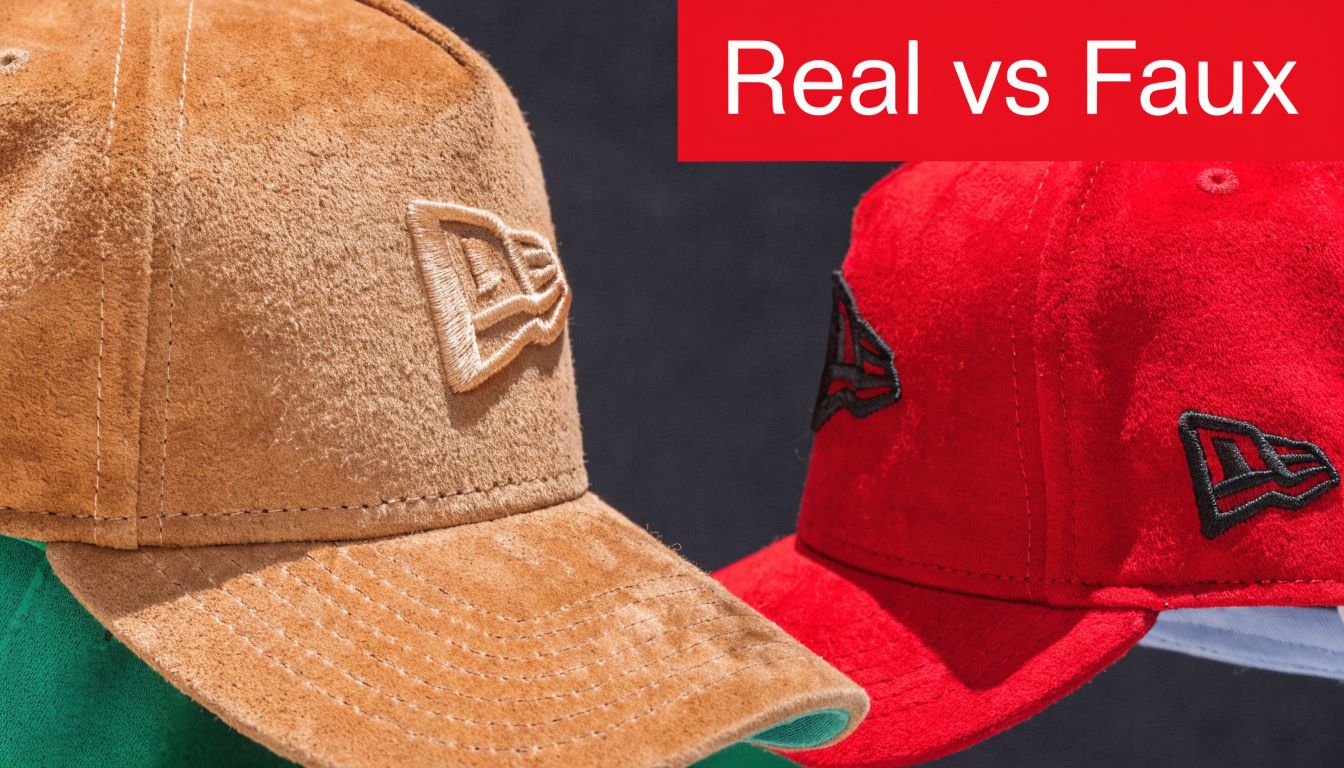
Genuine suede feels premium but asks more of you
Authentic suede is leather. It has the tactile richness people expect from natural hide, and on the right project it can feel premium in a way synthetics don’t fully copy.
That said, genuine suede is a tougher fit for most branded headwear programs. Moisture can be a problem. Needle penetration can mark or stress the material. Care gets more specialized fast, especially if these hats are going to employees, event attendees, or retail customers who want easy ownership.
If your project is a small premium run with very simple decoration, genuine suede can make sense. If your project involves repeatability, fulfillment, and scalable decoration, it usually creates more work than value.
Faux suede is usually the smarter wholesale material
For most business use, faux suede wins on practicality.
Faux suede baseball caps are commonly made from polyester blends, including 100% polyester or polyester-spandex compositions, and those constructions tend to offer better thread retention and color stability than genuine suede. Genuine suede can be damaged by moisture and needle penetration, while polyester-based faux suede is more reliable for bulk embroidery and wholesale decoration, according to this material breakdown from Stetson.
That’s the key distinction buyers should care about. “Faux” doesn’t mean cheap in this category. It often means stable.
Practical rule: If the hat needs to embroider cleanly, reorder consistently, and survive real-life handling, faux suede is usually the safer choice.
There’s also a production side to this that matters. Synthetic suede tends to behave more predictably from cap to cap. That helps when you’re matching logo placement across a staff order, a team run, or multiple colorways in a retail drop.
What this means for a business buyer
Buyers usually care about four things more than they care about material purity:
- Logo performance: Will small text fill in, fray, or sink into the surface?
- Consistency: Will the next batch match the first one closely enough to reorder with confidence?
- Care burden: Can the end user keep it looking good without special treatment?
- Perceived value: Does it feel premium enough to justify the look you want?
Faux suede answers those questions better in most wholesale situations.
Here’s the short version:
| Material type | What it does well | Where it gets tricky |
|---|---|---|
| Genuine suede | Rich hand feel, natural leather appeal | Sensitive to moisture, less forgiving for embroidery, more care-intensive |
| Faux suede | Better for decoration, more stable color and thread hold, easier to scale | Doesn’t have the exact same natural-hide character |
When real suede still makes sense
There are still projects where authentic suede belongs. Boutique retail. Small-batch lifestyle merch. Limited runs where the cap itself is the premium object and the decoration is understated.
But if you’re sourcing for cafes, breweries, schools, leagues, startup swag, or resale inventory, a faux suede baseball cap is often the better business choice because it keeps the premium look while reducing the avoidable headaches.
That trade-off matters more than the label.
Choosing Your Fabric Suede vs Cotton vs Performance Poly
A suede baseball cap isn’t automatically the right answer. It’s the right answer for certain goals.
If you’re buying hats in bulk, the better question is this. What job does the hat need to do? Some orders need a soft retail look. Some need easy wash-and-wear staff use. Some need athletic function first and branding second.
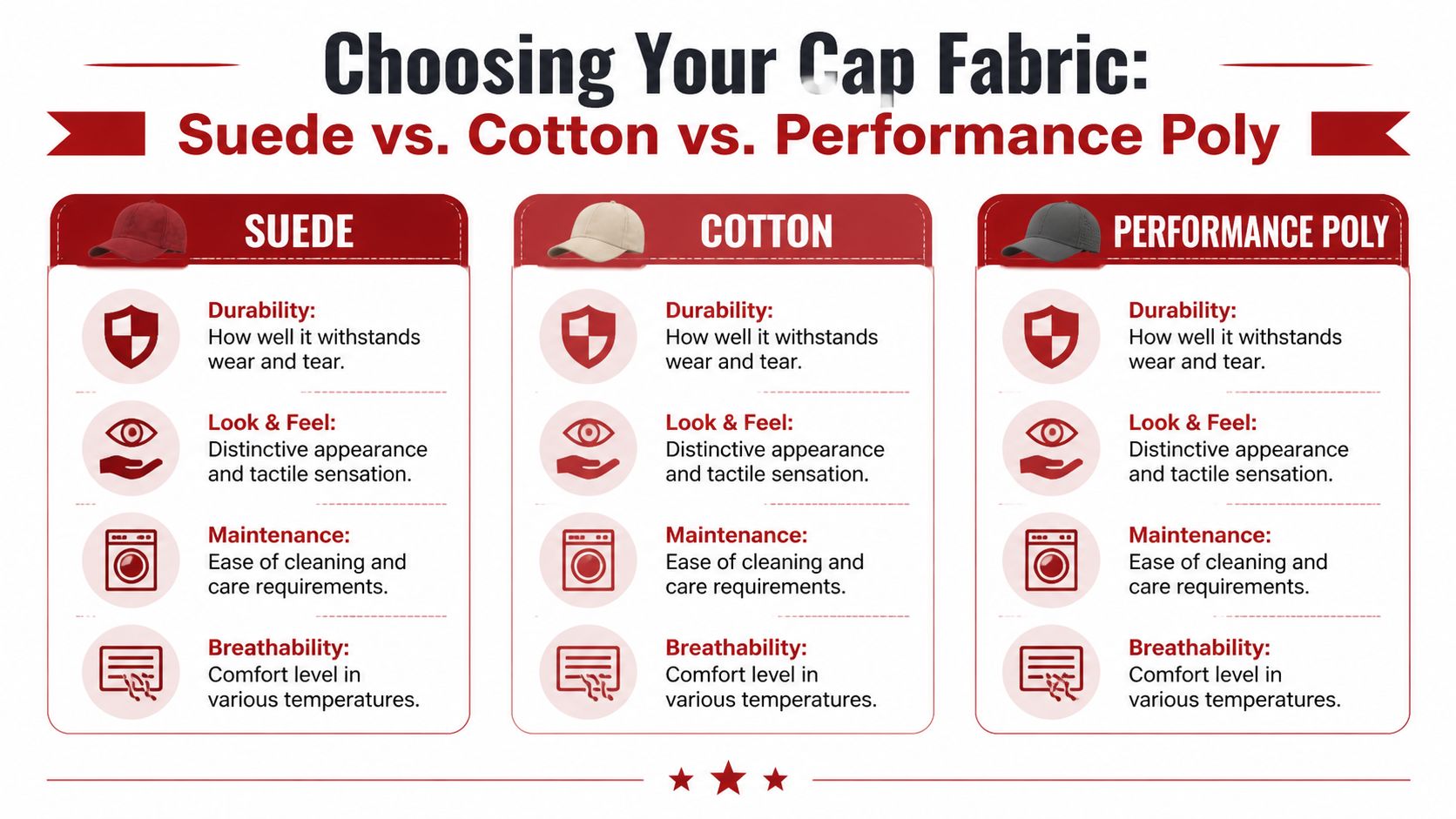
Fabric Face-Off Suede vs Cotton vs Polyester
Below is the cleanest way to think about it.
| Attribute | Faux Suede | Cotton Twill | Performance Polyester |
|---|---|---|---|
| Overall impression | Premium, textured, fashion-forward | Familiar, classic, approachable | Sporty, technical, active |
| Surface character | Soft nap, matte finish | Smooth to slightly textured | Sleek or lightly technical |
| Best use case | Elevated merch, lifestyle branding, retail-style staff hats | Everyday uniforms, giveaways, standard brand merch | Outdoor events, athletic programs, hot-weather use |
| Embroidery feel | Strong when digitized for the material and kept readable | Generally forgiving for most logos | Usually clean, but depends on fabric tension and sheen |
| Care expectations | Better when faux suede, still worth handling with some care | Simple and familiar | Usually low-fuss for active use |
| Brand message | More curated and style-conscious | Dependable and universal | Performance-driven and practical |
| Where it can disappoint | Not ideal if you want a purely athletic look | Can feel ordinary if the brand needs more distinction | Can feel too technical for lifestyle or boutique merch |
When suede earns its keep
Suede works best when the hat itself is part of the brand impression, not just a logo carrier.
A coffee brand trying to look polished can use suede to make uniforms feel intentional. A merch label can use it to move a cap closer to retail product and farther from promo giveaway. An event organizer can turn a standard cap into a keepsake by choosing texture over plain twill.
Cotton twill still wins for broad, safe usability. It’s a staple because it fits almost every audience and almost every budget tier. If your priority is “easy, familiar, hard to mess up,” cotton is the default for good reason.
Performance polyester has its own lane. If the audience is outdoors, active, or dealing with heat and sweat, performance poly usually makes more sense than suede. That includes sports camps, race events, and field crews.
A good cap program starts with context. The best-looking hat on paper can still be the wrong hat for the way people will actually wear it.
A quick decision filter
Use this if you’re narrowing options fast:
- Choose faux suede if your brand needs a more premium look, your logo is built for embroidery, and you want the cap to feel closer to retail merch.
- Choose cotton twill if you need an all-purpose winner with broad appeal and fewer style questions.
- Choose performance polyester if function, breathability, and athletic positioning matter more than texture.
If you’re comparing blank options before decoration, it helps to browse a full range of wholesale blank baseball caps side by side so you can judge silhouette, closure style, and panel construction along with fabric.
What buyers often miss
Fabric doesn’t act alone. The same logo will read differently depending on crown shape, seam placement, cap profile, and closure hardware.
A suede baseball cap with a shallow profile can feel soft and understated. The same suede on a taller, more structured shape can feel sharper and more streetwear-oriented. Cotton and performance poly shift in the same way. Material matters, but shape finishes the message.
That’s why experienced buyers don’t ask only, “What fabric should I choose?” They ask, “What fabric and structure support the brand I’m trying to put in someone’s hands?”
Making Suede Work for Your Brand Use Cases and Styling
Suede is one of those materials that either looks intentional or looks misplaced. The difference usually comes down to brand fit, not trend chasing.
The best suede baseball cap programs use the material to say something specific. Warmth. Texture. A slightly more refined version of casual. That’s why suede tends to work better for brands that want personality than for organizations that just need the cheapest possible headwear.
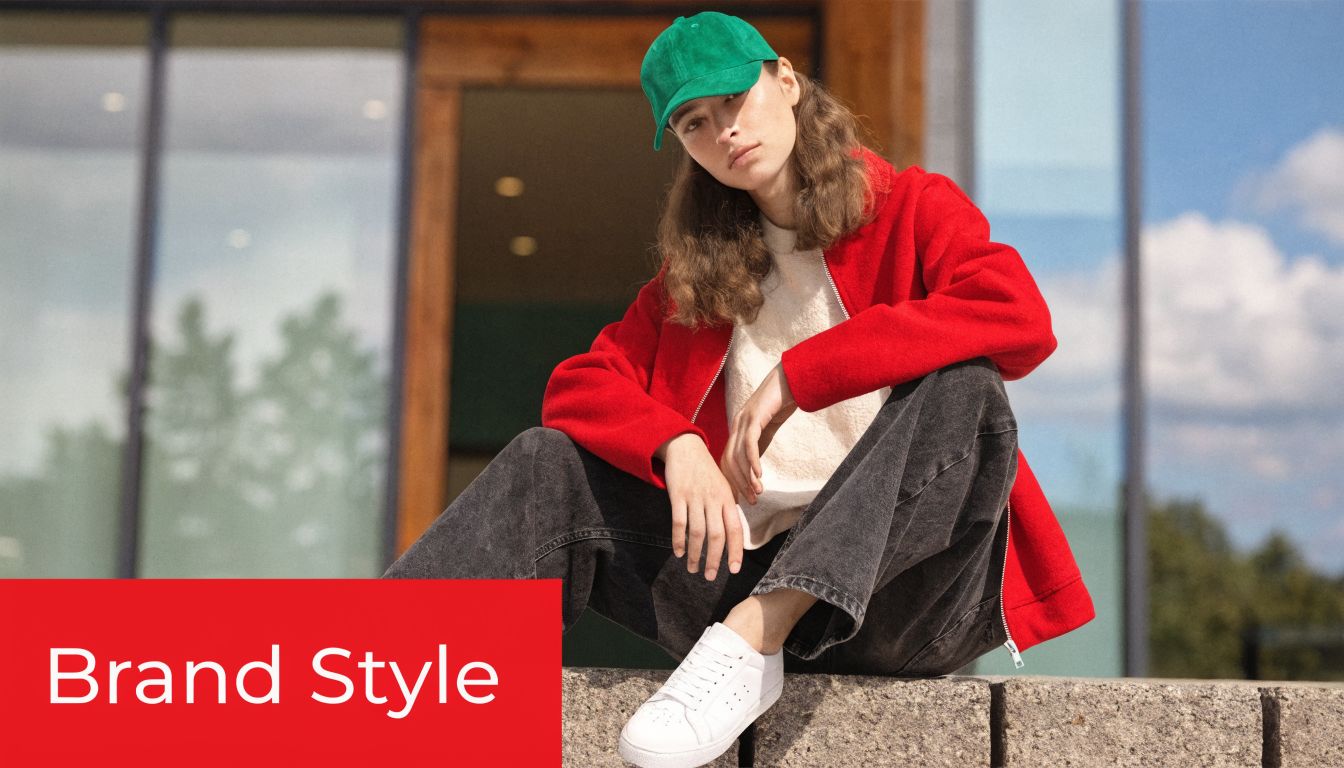
Where suede looks right
Take a boutique coffee shop. Cotton twill can work there, but suede gives the uniform more texture and less “promo item” energy. A tonal logo on a neutral cap can look polished without feeling stiff, and that matters when staff are customer-facing all day.
A startup welcome kit is another good example. Most onboarding swag gets tossed into the standard pile of tees, mugs, and notebooks. A suede baseball cap feels more curated. It signals that someone made a style choice instead of checking a generic merch box.
Then there are event-driven uses. Golf outings, creative conferences, premium sponsor gifts, artist merch tables, school booster clubs with a retail angle. In those situations, suede often works because it feels less disposable.
Good brand matches for suede
Suede tends to pair well with brands that already lean into a certain visual language:
- Hospitality brands: coffee roasters, restaurants, hotel shops, tasting rooms
- Lifestyle merch: apparel startups, musicians, creators, boutique retail
- Premium team gear: leagues, clubs, coaches’ hats, alumni events
- Seasonal event merch: fall festivals, holiday markets, outdoor social events
It’s less convincing when the brand identity is heavily technical, ultra-athletic, or very corporate in a traditional sense. That doesn’t mean it can’t work. It means the cap has to fit the rest of the system.
Styling choices that help the logo
Suede already has surface interest. That changes how decoration reads.
If the cap body has texture, a busy logo can fight the material. Cleaner marks usually perform better. That might mean a simple wordmark, initials, a monogram, or a patch rather than a complex lockup with tiny supporting text.
A few combinations tend to work especially well:
| Brand goal | Cap direction |
|---|---|
| Quiet premium | Neutral suede, tonal embroidery, minimal front hit |
| Streetwear energy | Structured profile, bold contrast logo, snapback closure |
| Heritage or outdoors feel | Earth-tone suede, patch application, understated side detail |
| Team or event collectible | Strong front logo, commemorative side embroidery, deeper seasonal colors |
If you want the material to be the feature, don’t force the logo to do all the talking.
What doesn’t work as well
A suede baseball cap can miss the mark when buyers treat it like a standard promotional blank.
That usually shows up in a few ways. Overly small embroidery. Hyper-detailed logos. Very bright thread on a cap color that already has visual depth. Or a mismatch between the cap and the audience, like choosing suede for a summer-heavy athletic event where performance poly would wear better.
Another common miss is choosing suede for a broad giveaway where recipients have no connection to the brand. Suede works best when the hat is meant to feel selected, not dumped into a swag bag with ten other items.
The payoff is strongest when the cap supports a brand identity people can feel the second they touch it.
Customizing Suede A Decorator's Guide to Embroidery
A suede baseball cap can look outstanding once it’s decorated well. It can also expose weak digitizing and poor machine setup fast.
That’s why suede isn’t the fabric to treat casually. The surface has texture. The pile can soften edges. Fine details that look clean on a screen can disappear once thread hits the cap. If you want a premium result, the decoration strategy has to respect the material.
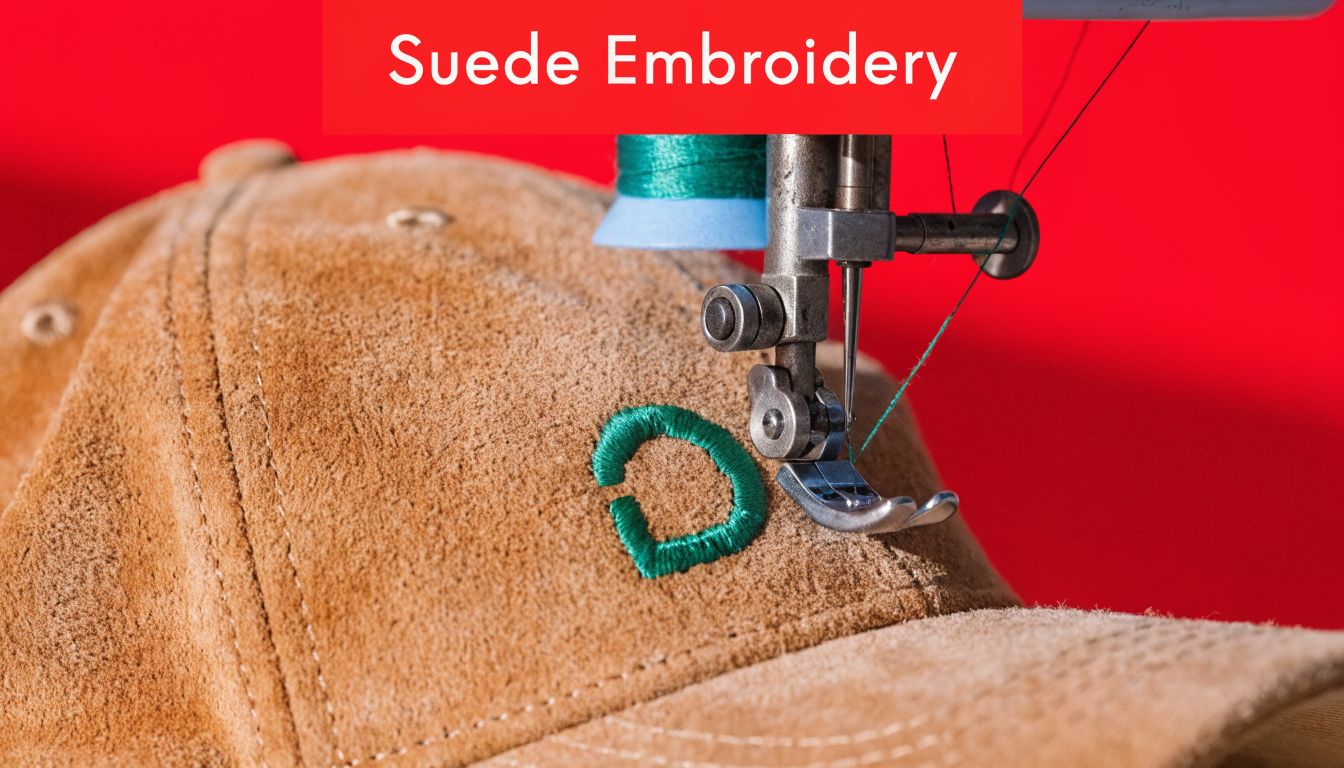
Why suede embroiders differently
On cotton twill, thread sits on a familiar, stable surface. On suede, especially textured faux suede, the nap changes how stitches settle. Some logos need more open spacing. Some need column widths adjusted. Some shouldn’t be embroidered at all unless they’re simplified first.
That doesn’t make suede a bad embroidery candidate. It just means the fabric has opinions.
The biggest issue is detail retention. Small text, thin outlines, and tight internal spaces can get muddy if the design wasn’t digitized with the fabric in mind. A logo that looks crisp on paper might need a cleaner version for a suede baseball cap.
Suede rewards bold, readable embroidery. It punishes tiny detail.
The best cap structure for decoration
Structure matters almost as much as fabric.
A 5-panel A-frame is one of the strongest formats for suede decoration because it gives you a large, uninterrupted front panel and a crown height of approximately 9 cm. That design also offers about 30% more usable decoration surface than a traditional 6-panel cap, which gives decorators more room for larger logos and techniques like 3D puff embroidery without fighting a center seam, according to this A-frame suede cap specification.
That’s why so many strong suede executions land on a structured front.
Here’s what tends to work best by cap style:
- 5-panel A-frame: Best for larger front logos, bold wordmarks, and puff embroidery.
- Structured 6-panel: Good for classic front hits when the logo can tolerate the center seam.
- Unstructured suede styles: Better for smaller, simpler decoration and a softer lifestyle look.
If your logo is wide, symmetrical, or heavily centered, seam-free front real estate makes the job easier.
What decoration methods usually succeed
Embroidery is the lead method, but not every embroidery style is equal.
3D puff embroidery
This is often the most eye-catching choice on suede. The matte surface gives raised lettering or shapes strong contrast, especially with simple bold art. Puff works best when the logo has enough thickness to support lift.
Standard flat embroidery
Flat embroidery is still the safest all-around option for many logos. It’s the right call for cleaner marks, understated branding, and logos with moderate detail that don’t need extra height.
Patches
Patches are a strong backup when the logo itself is too complex for direct embroidery. Woven patches, leather-look patches, and PVC patches can all make sense depending on the brand direction. They also help when you want the decoration to sit above the suede visually instead of stitching directly into it.
What usually fails
Some logo treatments are poor matches for suede:
- Tiny copy: Fine text tends to lose clarity.
- Hairline borders: Thin outlines can disappear into the nap.
- Crowded lockups: Too many elements compete with the texture.
- Overly dense fills: Heavy stitch areas can distort the face of the cap.
This is where proofing and logo prep matter. A strong decorator will often recommend simplifying the art, increasing negative space, or moving part of the branding to a side or back position.
If you want a cleaner stitch-out from the start, it helps to understand the basics of how to digitize a logo for embroidery before you approve art.
Practical production checks
Before any suede order goes live, a good decorator should be thinking about:
- Needle choice: The wrong needle can mark the surface or create avoidable stress.
- Machine tension: Poor tension shows up fast on textured fabrics.
- Backing selection: Backing supports the front panel and helps control distortion.
- Logo scale: A design may need to be larger than it would be on cotton.
- Thread contrast: Suede’s matte finish changes how thread colors read.
The hat can be premium. The result won’t be premium unless the production choices are, too.
The Business of Buying Suede Wholesale Sourcing and Care
Buying suede in bulk is less about finding “a nice hat” and more about setting up a program that won’t create avoidable problems later.
That means sourcing the right blank, ordering at the right time, and making sure the people who receive the hats know how to care for them. Buyers often separate those decisions. In practice, they belong together.
How to source without getting boxed in
The hardest part of sourcing a suede baseball cap is often finding the right middle ground. Many retail listings show finished fashion products, but they don’t help much if you need blank inventory, custom embroidery, reorder support, or low minimums.
That gap is real. Search interest in “suede baseball caps” shows clear seasonal peaks, especially in September and November, with a notable rise in February, which suggests timing matters for wholesale buyers trying to catch demand around transitional weather and fashion cycles, based on this suede baseball cap trend analysis.
If you wait until peak interest hits, you’re competing for stock when everyone else has the same idea.
What to evaluate in a supplier
Not every supplier is built for the same buyer. A startup testing a new SKU needs something different from a school district placing a broad event order.
Focus on these points first:
- Low minimum flexibility: Small test runs matter when you’re trying a new material.
- Brand access: Trusted blanks from names like Richardson, Flexfit, and Valucap make reorders easier to manage.
- Decoration options: You want direct embroidery, puff capability, and patch routes if the logo needs a backup plan.
- Stock communication: Buyers need clear answers on what’s available now, not vague promises.
- Turnaround expectations: Blank orders and custom orders don’t move on the same timeline.
If you’re new to category buying, this guide on how to buy blank hats in bulk is a useful place to tighten your process before you place a test order.
Order suede like a seasonal product, not an endless commodity. The brands that move early usually get the cleaner launch.
Matching order timing to sales timing
Suede isn’t a year-round dead zone, but it does have stronger windows. That makes it a good candidate for planned drops, staff refreshes, event merchandise, and limited seasonal color stories.
For ecommerce brands, this matters beyond purchasing. Product pages, photos, collection timing, and search visibility all need to be ready before demand rises. If you sell decorated hats online, this walkthrough on how to boost ecommerce sales is worth reading because it covers the kind of site preparation that supports a seasonal product instead of wasting the window.
Care instructions that prevent avoidable complaints
The care side is simple, but it matters. A customer who treats faux suede like rough workwear may shorten the life of the cap. A staff manager who gives no care guidance at all often gets blamed for wear that could have been avoided.
Good handoff instructions should be short and practical:
| Care situation | Best advice |
|---|---|
| Dust or light surface dirt | Use a soft brush or cloth and clean gently |
| Minor spot cleaning | Dab the area carefully instead of soaking it |
| Storage | Keep caps dry and shaped, not crushed under heavier items |
| After event use or transit | Air them out before repacking or shelving |
The point isn’t to make suede sound fragile. It’s to set realistic expectations. Faux suede is the easier-care choice, but it still looks better longer when users avoid rough cleaning and long periods of compression.
The full buying mindset
The best wholesale buyers don’t just ask whether the cap looks good in a mockup.
They ask whether they can reorder it. Whether the logo method fits the fabric. Whether timing lines up with demand. Whether the end user can keep it looking sharp without special knowledge. That’s what separates a successful suede program from a one-time experiment that never gets repeated.
Your Next Steps and Suede Cap FAQs
A good suede baseball cap does two jobs at once. It gives you a more premium look than the standard promotional hat, and it creates a better canvas for a brand that wants texture, warmth, and a retail-style feel.
That’s why suede keeps showing up in better merch programs. Not because it works for everything, but because it solves a specific problem. It helps a logoed cap feel more intentional.
There’s also a practical reason to take it seriously. Wholesale sourcing for suede baseball caps with low-minimum embroidery is still underserved. Many buyers can find retail options, but they struggle to find wholesale suppliers that support trusted brands like Richardson or Flexfit along with custom decoration options such as 3D puff stitching for both small and larger orders, as noted on this market gap reference.
FAQ for business buyers
Can I mix cap colors in one order?
Often, yes, if the supplier has the colors in stock and the decoration setup stays consistent. The main thing to confirm is whether all selected colors use the same cap style, material, and logo treatment. Mixed colors are easier to manage when the artwork doesn’t need thread changes or placement adjustments for each one.
What should I send for a logo proof?
Send the cleanest file you have. Vector art is best when available, but a high-quality source file with clear color guidance also helps. If your logo includes very fine detail, ask for feedback before assuming it will stitch well on suede.
Will my logo need to be simplified?
Sometimes. Suede has texture, and some logos need slightly bolder lines or more open spacing to hold their shape. That’s normal. A small adjustment in the proof stage usually produces a much better finished cap.
What’s the typical turnaround for a bulk custom order?
Turnaround depends on stock availability, order size, and whether the logo is ready for production. Blank hats usually move faster than custom-decorated orders. The fastest way to avoid delays is to approve artwork quickly and confirm inventory before launch dates are locked in.
Are suede caps good for staff uniforms?
They can be excellent for staff uniforms if the environment matches the material. Cafes, retail shops, hospitality brands, and lifestyle-focused teams often get great mileage from suede. For high-sweat or heavily athletic use, performance-focused fabrics may be the better fit.
Is faux suede “less premium” to customers?
Not necessarily. Most end users judge the hat by feel, fit, and finish. If the cap looks good, feels good, and the embroidery is clean, faux suede often lands exactly where it should.
What’s the safest first order if I’m unsure?
Start with a smaller test run in one or two proven colors and a logo treatment that’s clean and readable. That gives you a chance to evaluate stitch quality, audience response, and reorder confidence before expanding into more colorways or more elaborate decoration.
If you’re close to ordering, keep the process simple. Choose the cap style first. Confirm whether faux suede fits the use case. Match the decoration to the material, not just the logo file. Then order a quantity that gives you room to test without overcommitting.
If you’re ready to price out a suede baseball cap project, Dirt Cheap Headwear makes it easy to source blanks, compare decoration options, and request a custom quote with low minimums. If you need help choosing the right cap style, logo method, or order size, their custom order form is the fastest place to start.