
Stocking Cap Knit: A Buyer’s & Customization Guide
You’re probably looking at a winter hat order right now and realizing the category names aren’t helping much.
One supplier says beanie. Another says watch cap. Another says stocking cap knit. Then you get into cuffed, slouchy, ribbed, acrylic, waffle, patch-ready, embroidery-friendly, and suddenly a simple team hat order turns into a small research project.
That confusion is normal. In custom headwear, a lot of these terms overlap. What matters isn’t the label on the product page. What matters is whether the hat fits your brand, takes decoration cleanly, feels good on the head, and holds up after use.
Business owners run into this all the time. A brewery needs winter merch. A contractor wants cold-weather staff gear. A coach wants matching hats that don’t look cheap. A school wants fundraiser beanies people will wear after the event. The stocking cap knit is often the answer because it’s familiar, useful, and flexible enough to work across all of those jobs.
A good knit cap punches above its weight. It’s practical first, but it also carries a logo well, gives your brand visibility in cold weather, and lands in a price range that works for group orders.
Your Guide to The Perfect Custom Knit Cap
A common order starts the same way. Someone needs hats fast, wants them branded, and assumes all knit caps are interchangeable.
They’re not.
Two hats can look similar in a thumbnail and perform differently once you add a logo. One stretches too much and turns clean embroidery into a wavy mess. Another feels stiff and generic. A third nails the balance. Good fit, stable decoration area, decent warmth, and a style people wear without being told to.
That’s where buyers get tripped up. They shop by color first, then price, then maybe brand. Those matter, but the better sequence is simpler:
- Start with the use case. Staff uniform, merch table, team issue, giveaway, or retail resale.
- Pick the silhouette. Cuffed, slouchy, fisherman, pom-pom, fitted.
- Choose the knit and yarn. This controls feel, stretch, warmth, and logo stability.
- Match the decoration method to the hat. Flat embroidery, puff embroidery, or patch.
Practical rule: If the logo method and the knit texture are fighting each other, the hat will lose every time.
The term stocking cap knit works well because it points to the classic knitted winter cap in its broadest form. That includes the modern beanie family most buyers want. For a business or team, that’s useful. You don’t need to get hung up on vocabulary. You need a cap that looks right on people and decorates cleanly.
There’s also a long practical history behind this style. Knit caps weren’t invented as fashion-first accessories. They were workwear, utility gear, and everyday cold-weather essentials long before they became merch staples. That practical DNA still matters. The best custom knit caps still win on the same things: comfort, durability, and repeat wear.
The Anatomy of a Stocking Cap Knit
A buyer approves a knit cap sample on the front, then the bulk order lands and the shape is off. The logo still looks decent, but the hat sits too high, the top collapses awkwardly, or the cuff rolls unevenly after a week of wear. That usually comes back to anatomy, not branding.
A stocking cap knit has a few parts that do most of the work. For a business or team order, each one affects fit, decoration results, and how polished the finished cap looks in real use.
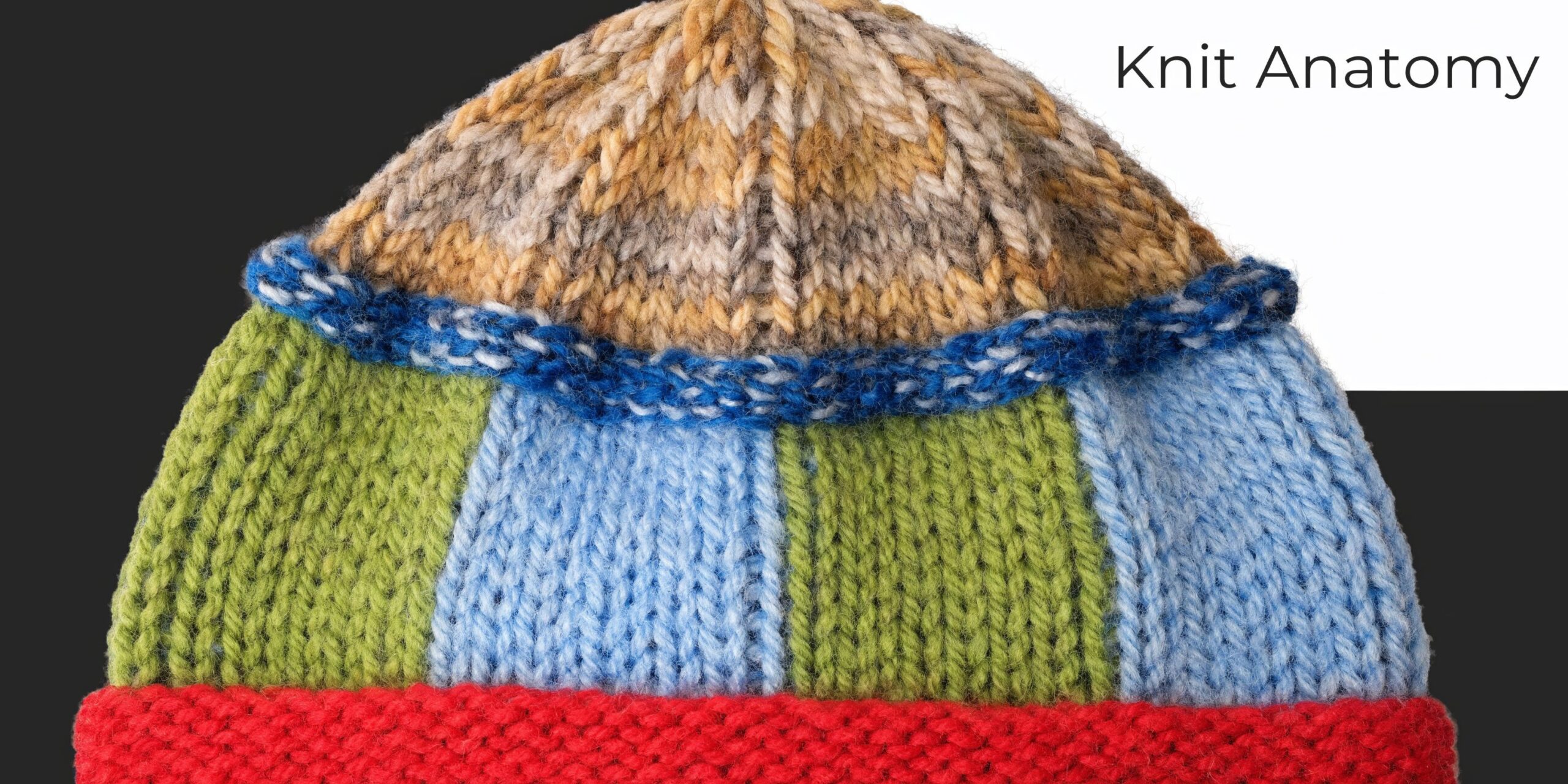
The cuff
The cuff is the folded section at the bottom, and on many wholesale orders it becomes the decoration zone that matters most.
A cuff gives embroidery and patches a thicker base. That extra structure helps control distortion, especially on simple front logos, uniform programs, and retail beanies that need a clean, centered mark. It also frames the branding at eye level, which is one reason cuffed caps keep showing up in wholesale winter beanie programs for brands.
There is a trade-off. A cuff adds bulk and visual structure. That works well for workwear, team issue, and classic merch, but it can feel too traditional if the brand wants a softer streetwear silhouette.
The body
The body is the main section above the cuff. Fit starts to show in this section.
Shorter bodies wear closer to the head and usually feel cleaner on staff uniforms or corporate merch. Longer bodies create more drape, which can suit fashion-driven drops, campus merchandise, or younger audiences. Neither option is better on its own. The right one depends on who will wear it, how often, and whether the cap needs to read as utility gear or casual merchandise.
The body also reveals the knit texture faster than any other area. A fine, smooth face supports a cleaner logo presentation. A chunky rib or waffle knit brings more character, but it can compete with small embroidery and fine text.
The crown
The crown is the top closure where the hat tapers and finishes. Buyers often focus on the front logo first, but crown shape affects the full silhouette from every angle.
A clean crown makes the cap look intentional. A bulky or uneven crown makes even good decoration feel cheaper because the whole hat loses shape on the head. In production, this comes down to consistent shaping, balanced decreases, and quality control across the run. If those details are sloppy, the top can twist, peak, or collapse in ways customers notice right away.
I pay close attention to crown consistency on sample reviews. One strong pre-production sample means little if the factory cannot repeat that shape across the full order.
A sharp logo helps, but the overall silhouette still decides whether the cap looks worth keeping.
Optional details that change the feel
A few add-ons can push the same basic cap into a different lane fast:
- Pom-pom: Better for winter promotions, team spirit, ski events, and playful retail styles.
- Rollover edge: Softer and more casual than a firm cuff.
- Tighter opening: Creates a watch-cap look and holds closer to the head.
- Longer rise: Adds drape and gives the cap a younger, fashion-led profile.
These details are small on paper. On the finished product, they change how the cap fits a shelf, a uniform kit, or a merch table.
Why this shape has lasted
The stocking cap stuck around because it works. It keeps heat in, packs easily, and fits into everyday wear without much explanation. That matters for branded headwear. Businesses are not asking people to adopt some unfamiliar silhouette. They are putting their logo on a cap style that already has a place in workwear, team gear, and cold-weather basics.
There is history behind that staying power. The knit cap traces back to practical wool headwear, including the Monmouth cap, and later became common enough in England to be referenced in the Cappers Act of 1571 (history of the knit cap).
For custom orders, the lesson is simple. The anatomy has to support the branding. If the cuff, body, and crown are doing their jobs, the logo has a much better chance of looking clean and selling the hat.
Choosing Your Canvas Yarn and Knit Construction
Most customization problems start before the logo ever touches the hat.
Buyers often focus on decoration first, but the hat’s yarn and construction decide whether the finished piece feels premium, wears well, and gives your logo a fair shot. If the knit is too loose, too uneven, too thick, or too unstable, the branding suffers.
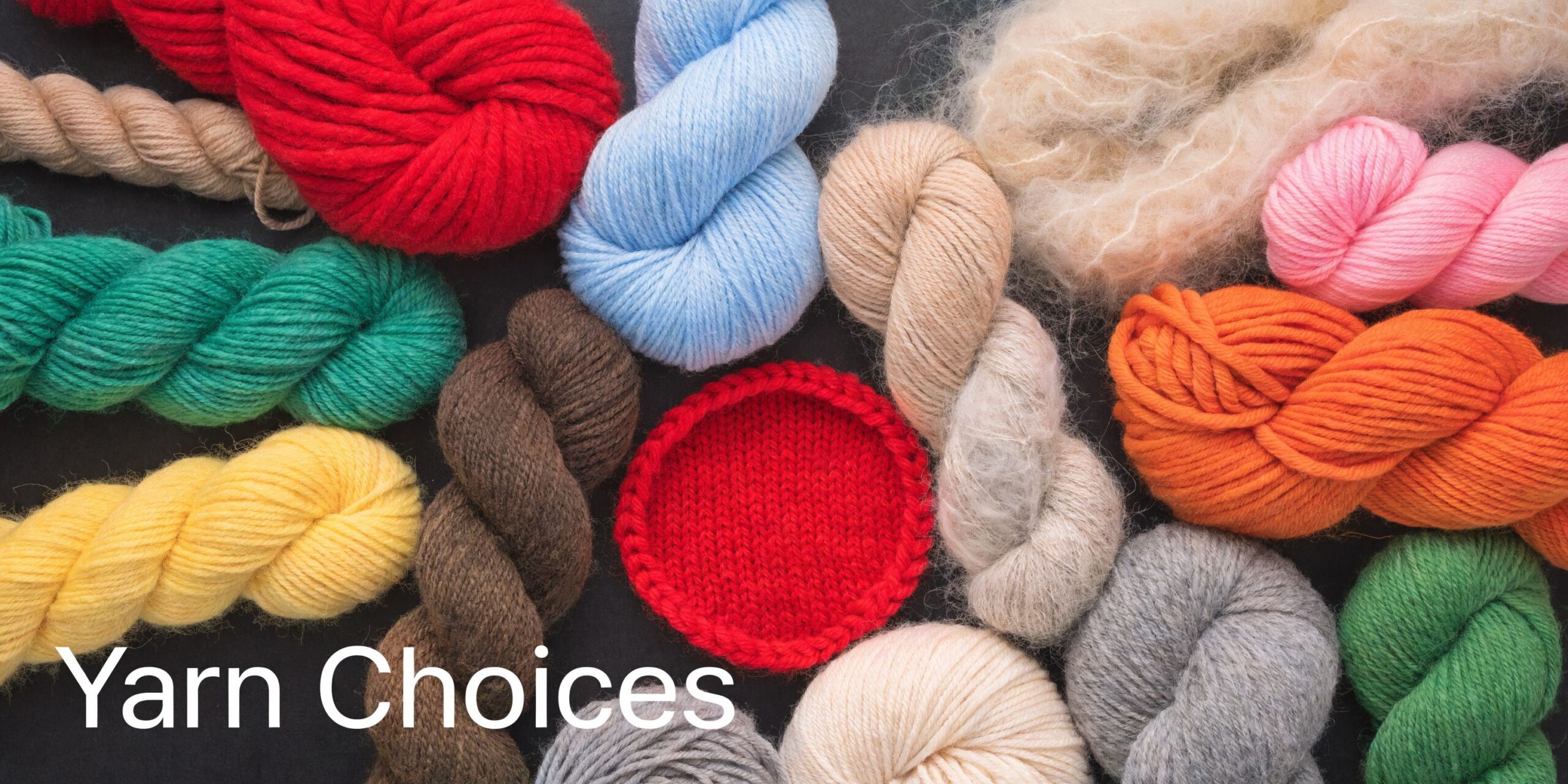
Yarn choices that matter in practice
Here’s the practical version of the common yarn families buyers run into:
| Yarn option | What it feels like | Where it works best | What to watch |
|---|---|---|---|
| Acrylic | Durable, affordable, easy-care | Promotions, staff gear, teams, general merch | Can feel less premium if the knit quality is weak |
| Merino wool | Softer, warmer, higher-end | Boutique merch, premium retail, gift-quality runs | Costs more and needs more care awareness |
| Cotton blend | Breathable, lighter hand | Transitional weather, lifestyle programs | Less winter-focused feel than wool-heavy options |
| Wool blend | Warm with better structure | Outdoor brands, workwear, heritage looks | Texture can affect small logo detail |
Acrylic gets dismissed sometimes because it’s common. That’s a mistake. In custom headwear, acrylic is the workhorse because it balances cost, color consistency, and durability. For a team order or event run, that balance often matters more than chasing the fanciest fiber.
Merino can feel better on the head, but not every logo program needs that upgrade. If the hat is for a premium merch line, sure. If it’s for a volunteer crew working an outdoor winter event, you may be paying for softness the end user won’t prioritize.
Knit construction changes more than appearance
The knit pattern affects stretch, thickness, and decoration stability.
A few common builds show up over and over:
- 1×1 rib: Stretchy, snug, and classic. Good for close fit, but the surface moves a lot.
- 2×2 rib: Still flexible, often a little bolder in appearance. Popular on cuffed styles.
- Waffle knit: Textured and warm-looking, but not the easiest surface for every logo.
- Cable knit: Decorative and premium-looking, though not ideal for many standard front embroideries.
- Smoother jersey or fine rib constructions: Better if the logo needs a cleaner visual field.
If your design has fine lettering, tiny outlines, or narrow spacing, a smoother knit always helps. Heavy texture competes with detail.
If your design is bold and simple, textured knits can work well. A broad icon, monogram, or short wordmark can look strong on chunkier surfaces.
Gauge is where consistency lives or dies
In bulk headwear, gauge is one of the least glamorous details and one of the most important. It’s the number of stitches and rows per inch, and it directly affects fit and repeatability.
A standard gauge for worsted-weight yarn might be 17 stitches per 4 inches, and if the yarn weight or needle size changes, the hat circumference changes too, which is why reliable sourcing matters for consistency across a large order (Lion Brand stocking cap pattern details).
That sounds technical, but the buyer-level takeaway is simple:
- A stable gauge gives you consistent fit
- Consistent fit gives you fewer surprises
- Fewer surprises give you cleaner group orders
If one shipment feels snug and the next feels loose, that isn’t a branding problem. It’s a production consistency problem.
For a broader look at blank winter styles and how they map to different brand goals, this guide to buying wholesale winter beanies for your brand is worth reviewing before you lock in a style.
What often works best
If a business owner asks for the safest all-around custom stocking cap knit, the answer is often a version of this:
- Midweight yarn
- A cuffed silhouette
- A knit surface that isn’t too open
- Enough structure for embroidery without feeling stiff
That won’t cover every aesthetic. It will cover most successful orders.
What doesn’t work as often is chasing a look without thinking about decoration. Super loose knits, highly irregular textures, and extra-floppy builds may look cool on a product page, but they can fight your logo every step of the way.
Finding the Perfect Style and Fit
A business owner approves a knit cap because it looks sharp in the mockup. Then the boxes arrive, half the staff wears it once, and the other half leaves it in a desk drawer because the shape feels off. That is usually a style-and-fit miss, not a logo miss.
For team orders, the best stocking cap knit has to do two jobs at once. It needs to fit a wide range of people, and it needs to present the brand well without forcing people to fuss with it.
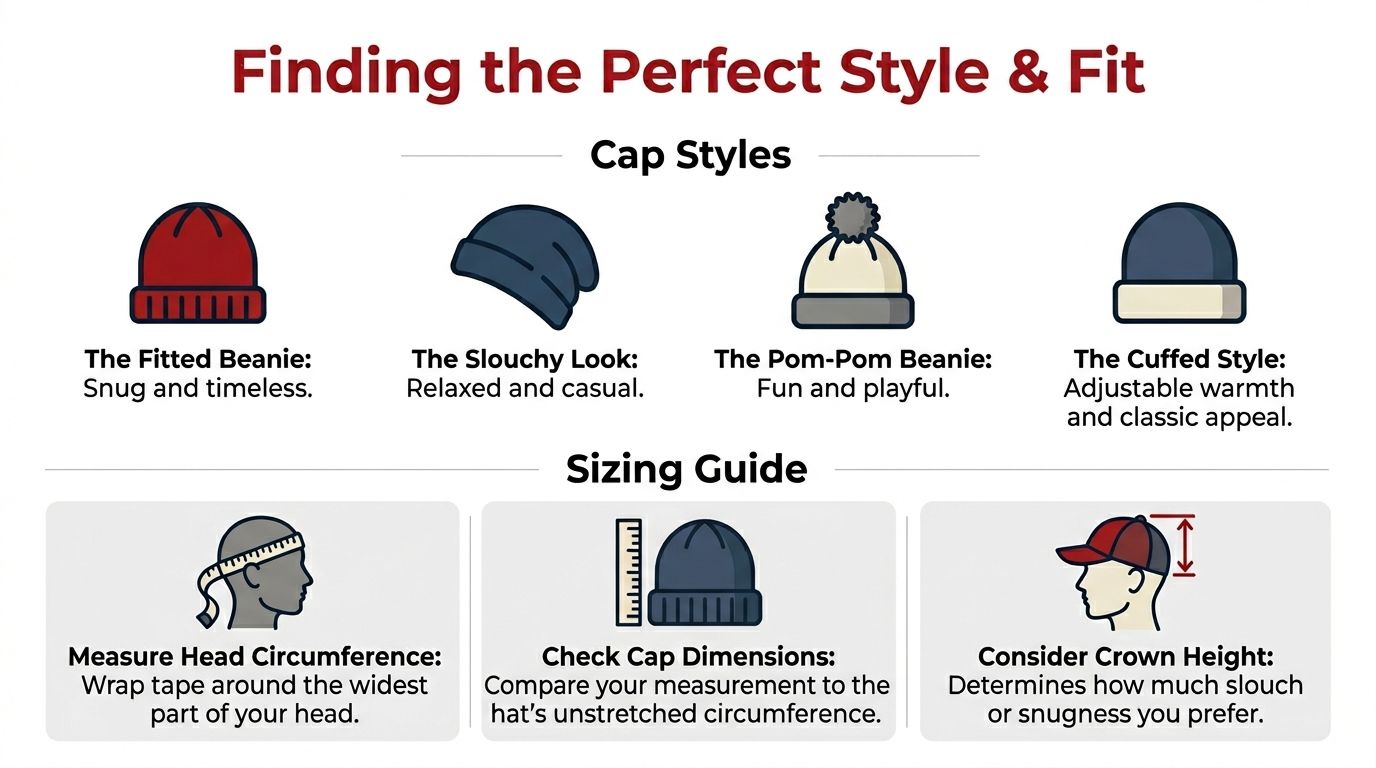
Matching style to brand personality
Style sets expectations before anyone reads the logo. In custom headwear, that matters because the silhouette can make the same mark feel work-ready, retail-friendly, or purely promotional.
Cuffed beanie
This is still the safest choice for most wholesale orders. A cuffed cap gives you a cleaner front decoration area, a more familiar fit, and better day-to-day wearability across mixed groups.
It fits company stores, school programs, trades, breweries, service teams, and event merch. If the order needs broad acceptance and dependable logo placement, start here.
Slouchy beanie
Slouchy styles read casual and style-driven. They make more sense for streetwear drops, music merch, creative agencies, and brands selling a mood as much as a product.
There is a trade-off. The extra drape can make the hat feel less uniform across different head shapes, and decoration has less visual discipline if the fabric shifts during wear.
Fisherman or short beanie
A short beanie has a sharper, more fashion-led look. It can work well for retail programs and younger brand audiences that already wear this shape.
It is a narrower bet for employee programs or general giveaways. Some people like the higher ride. Others never get comfortable with it.
Pom-pom beanie
Pom-pom caps bring energy fast. They work well for school spirit, team stores, winter events, and seasonal promos where fun is part of the pitch.
For a conservative corporate rollout, they can feel off-brand. For a fundraiser or fan shop, they often make sense.
Fit is a wear issue and a branding issue
Buyers usually hear "one size fits most" and assume stretch will handle the rest. It helps, but it does not fix a cap that is poorly proportioned or shaped badly at the crown.
As noted earlier, knit construction has to stay consistent for the top of the hat to close cleanly and sit correctly on the head. When that shaping is off, people describe the cap as awkward, too tall, too pointy, or strangely tight. They experience it as a style problem, even when the root cause is production.
That is why I always look at fit in three practical buckets:
- Snug fit: Best for uniforms, active use, and a neater profile
- Medium fit: Best all-around choice for mixed groups and safer reorder programs
- Relaxed fit: Best for lifestyle merch, trend-led branding, and customers who want more drape
If your logo will be stitched on the front, fit also affects how the decoration reads. A cap that stretches too hard across the forehead can distort embroidered text. A cap with too much collapse can make the logo sink or wrinkle. This is one reason buyers should review custom stitching options for hats before locking the silhouette.
A quick visual helps if you’re comparing shape options with a team.
What buyers should ask before approving a style
A mockup only shows the idea. The true test is whether the cap still looks right on different people, in normal use, after repeated wear.
Ask these questions before approving the style:
- Who is the primary wearer? Staff, students, fans, customers, or retail buyers.
- Will people wear the cuff as shown, or fold it their own way? That changes both fit and logo position.
- Does this order need broad appeal or a stronger fashion point of view? Broad appeal usually wins for group distribution.
- Will the shape still look good without perfect styling? The best promo cap is easy to throw on and still looks right.
- Does the silhouette support the decoration area you need? A good-looking blank can still be the wrong base for your artwork.
The strongest custom knit cap orders usually come from buyers who stay honest about the audience. A dramatic shape can look great in product photography and still underperform in real wear. A well-chosen shape gets worn more, represents the brand better, and holds up across the full run instead of only looking good in the sample.
Making It Yours A Guide to Customization
Your team approves the mockup. The sample shows up. The logo that looked sharp on screen now sinks into the knit, the small text fills in, and the cap reads like a giveaway instead of branded gear. That gap usually comes from treating a stocking cap knit like a flat canvas.
Blank knit caps are only half the job. The other half is picking a decoration method that works with stretch, texture, and repeat wear.
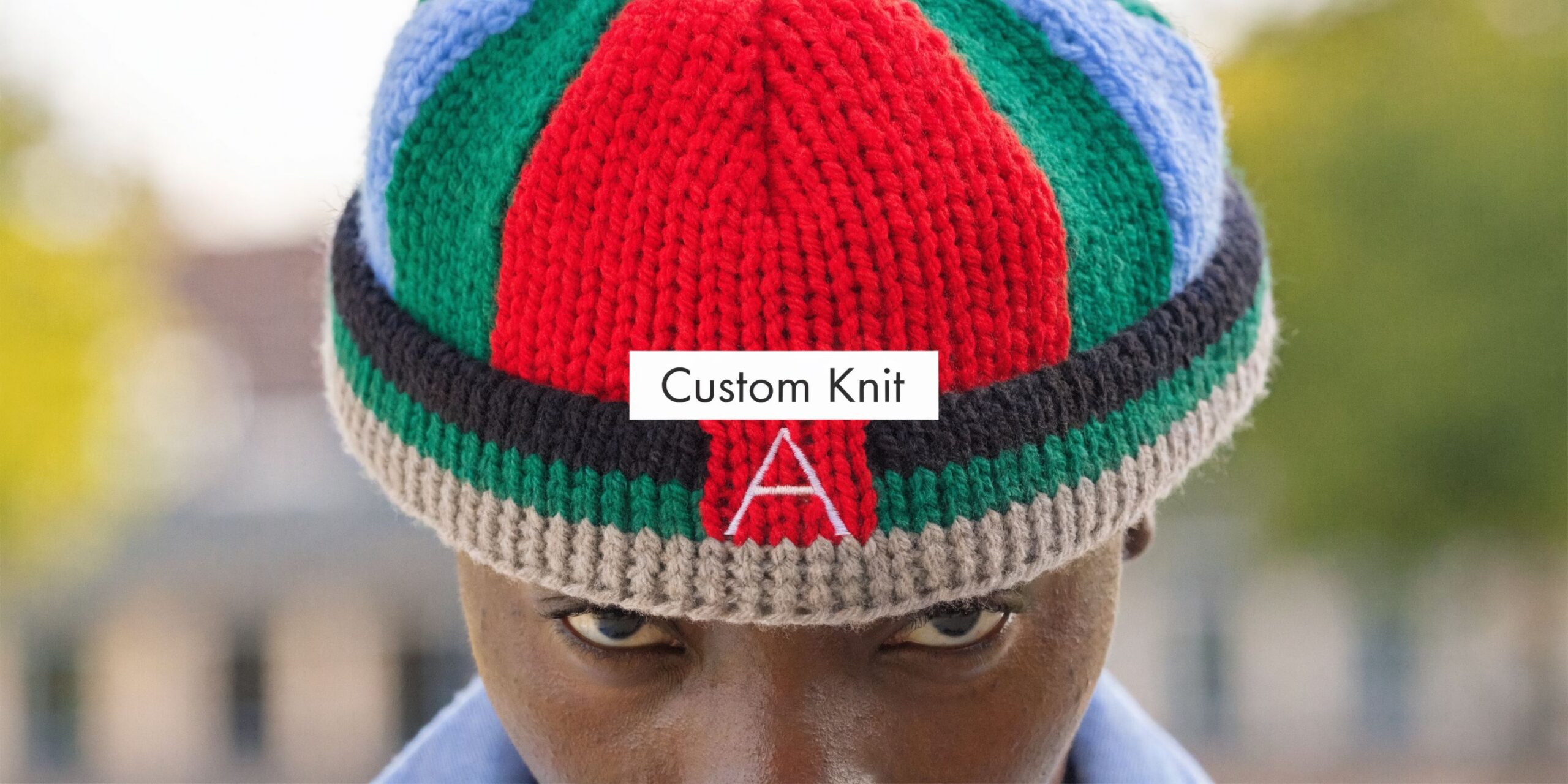
Flat embroidery for most logos
Flat embroidery is still the safest bet for many wholesale knit cap orders because it gives buyers predictable results.
It works well for text-based logos, school names, team IDs, simple icons, and clean brand marks. On a cuffed cap with a stable knit, flat embroidery usually gives the best balance of readability, cost, and durability. It looks professional without overworking the hat.
It also forces a useful decision early. If the logo falls apart at beanie scale, the issue is the artwork, not the embroidery.
3D puff only when the art is built for it
3D puff embroidery adds height and presence, but it needs the right art and the right cap.
Big initials, block lettering, and thick, simple shapes can hold puff well. Fine outlines, detailed crests, and narrow fonts usually do not. On soft or highly stretchy knits, puff can also lose its edges faster than buyers expect.
That is the trade-off. Puff gets attention, but flat embroidery usually wins on clarity.
For a closer look at how different stitch methods change the final result, review these examples of custom stitching on hats.
Patches often solve the problem faster
For business buyers, patches are often the smartest answer because they separate the logo from the knit texture.
Use them when your artwork has fine detail, when you want a retail-ready finish, or when the knit is too active for direct embroidery to stay crisp. An embroidered patch feels classic. A woven patch holds smaller detail better. Leather-style patches push the cap in a more rugged or upscale direction. PVC reads bolder and more modern, but it is not right for every brand.
A patch also gives you a defined decoration area, which helps a mixed-size order look more consistent across the run.
Construction affects the logo, not just the fit
Buyers usually focus on logo size, thread color, and placement. The knit construction matters just as much.
A looser, stretchier body panel can distort direct embroidery once the cap is on a head. A firm cuff gives the machine a better surface and gives the logo a better chance of staying clean in actual wear. That matters for staff uniforms, event merch, and resale programs, where the cap has to look good outside the sample room. The true challenge is making sure the cap holds up across the full run.
If your order has multiple decision-makers, even simple custom order form templates can help keep artwork versions, patch choices, and placement approvals in one place.
Review the cap like a buyer, not just a designer
Before you approve production, check these points:
Logo complexity
Simplify more than you would for a structured cap.Decoration zone
The cuff is usually the cleanest, most repeatable area.Scale
A smaller readable mark often looks more premium than an oversized logo.Contrast
Thread color has to stay legible against the yarn in daylight, not just on a mockup.End use
Staff gear needs consistency. Retail merch can carry a little more style risk.
What usually works
- Bold monograms
- Clean wordmarks
- Front-of-cuff placement
- Woven or embroidered patches on textured knits
- Flat embroidery on stable rib knits
What usually disappoints
- Tiny text
- Dense seal logos reduced too far
- Puff embroidery on weak artwork
- Large decorations across stretchy body panels
- Approvals based only on digital mockups
The best custom knit caps look simple because the hard choices were made before production. For wholesale orders, that discipline protects both the brand and the budget.
Ordering Custom Knit Caps Like a Pro
A buyer signs off on 500 knit caps on Tuesday. By Friday, someone notices the logo file was the wrong version, the patch is too large for the cuff, and the ship date was based on hope instead of production capacity. That order is now late, expensive, and headed for a round of internal blame.
Good wholesale orders are won before the first stitch runs. Clear specs, clean approvals, and realistic timing do more for the final result than chasing the lowest unit price.
Build the order around a written spec
Start with one document that everyone uses. Sales, marketing, operations, and whoever approves branding should all be looking at the same information.
Include:
- style and fit
- yarn color
- quantity by color or department
- exact logo file
- decoration method
- decoration size and placement
- requested in-hands date
- shipping destination
- pack-out, labeling, or sorting instructions
If your team is still chasing approvals through email, simple custom order form templates can help keep artwork versions, patch choices, and delivery details in one place.
This matters more with knit caps than many buyers expect. A beanie looks simple, but small production choices affect fit, decoration quality, and carton planning fast.
Buy against the use case, not just the sample
A sample can look great and still be the wrong cap for the job.
For employee uniforms, ask for consistency across the full run. For retail merch, ask how the cap will look after repeated wear and whether the chosen decoration still reads cleanly on a moving, stretchy surface. For events, confirm delivery windows and size of the usable branding area before anyone approves art.
If you are still comparing blanks, this bulk beanies wholesale blank guide is a practical starting point for narrowing the field.
Ask production questions that prevent expensive surprises
Price matters. So do the questions behind the quote.
What minimums apply
Low minimums help with pilot programs, department splits, and first-run merch tests. They can also raise the unit cost or limit decoration options, so check the trade-off before you commit.
What controls lead time
Lead time usually depends on blank availability, art approval speed, decoration method, and how the order is packed for shipping. Ask what could slow the order down, not just when it is expected to leave the shop.
Will the proof show size and placement clearly
A proof should answer practical questions. Is the logo too wide for the cuff? Is the patch crowding the fold? Is the embroidery scale realistic on that knit texture?
Proof approval is where cheap fixes happen.
Is the cap stable enough for the chosen decoration
Some knits hold embroidery cleanly. Some do better with a woven patch. Some soft, loose constructions fight both. The blank and the branding method have to work together or the finished cap will look softer, less sharp, or less consistent than the mockup promised.
Common ordering mistakes
These are the issues I see most often on business orders:
- Approving art that is too detailed: Fine text and dense seals rarely hold up well on knit caps.
- Treating all black yarn as the same: Dye lot, texture, and knit density can change how the logo reads.
- Delaying proof approval: A fast production calendar falls apart when artwork sits in review.
- Ignoring carton and distribution needs: Sorted packs by store, team, or size of shipment should be discussed early.
- Choosing a trendy fit for a broad audience: A short fisherman style may look right for retail, but staff groups often wear a more forgiving fit better.
What strong buyers do differently
They approve one logo version. They confirm the decoration area with the vendor. They ask what the factory can repeat cleanly at scale. They leave enough time for proofing, production, and freight.
That approach protects the brand and the budget.
The best custom knit cap orders are usually the least dramatic ones. Everyone knows the spec, the artwork is settled, the cap matches the end use, and the finished goods arrive looking like the sample for the right reasons, not by luck.
Long Live the Cap Care and Final Thoughts
A winter promo goes sideways in a hurry when the caps looked sharp on delivery day and tired by week three. The usual causes are simple. Wrong wash settings, too much heat, caps stuffed under heavy gear, and decoration that was never a good match for the knit in the first place.
Good care helps, but it cannot rescue a bad spec. For business and team orders, the goal is a cap that stays presentable through repeated wear, keeps the logo readable, and gives staff or customers a reason to keep reaching for it.
Simple care that protects the decoration
Knit caps last longer when the cleaning routine respects the yarn and the decoration.
Use these habits:
- Wash cold: Cooler water is easier on acrylic, wool blends, and decorated fronts.
- Lay flat to dry: This helps the cap hold its shape and reduces stress on patches and embroidery.
- Keep heat low: High dryer heat can tighten, distort, or fatigue the knit and can shorten the life of decorated areas.
- Store with some space: Crushed embroidery and bent patches do not present well, especially in staff lockers, event bins, or back stock.
- Clean before buildup sets in: Sweat, skin oils, and salt are easier to remove early than after they sit in the yarn.
Care instructions should match the cap you ordered. A simple acrylic cuff beanie is forgiving. A softer rib knit with a patch or a wool blend needs a little more restraint.
What good orders still get right after delivery
The best wholesale knit cap orders are not judged only at proof approval. They prove themselves after distribution, after real wear, and after repeated cleaning.
Here is what holds up:
| Area | What good buyers focus on |
|---|---|
| Construction | A knit and shape that recover well after wear and support the chosen decoration |
| Material | Yarn that matches the climate, budget, and expected wash cycle |
| Style | A fit employees, crews, or customers will keep wearing |
| Branding | Decoration sized and built for the knit so the logo stays readable over time |
That last point matters more than many buyers expect. A cap can be soft, warm, and on-brand on paper, then disappoint in use because the decoration sits on an unstable surface or the yarn pills faster than the brand team expected. For larger business orders, those small decisions show up later as replacements, inconsistent presentation, and caps that stop getting worn.
There is also a clear difference between home knitting advice and production headwear buying. A hand-knit pattern can explain shape and stitch structure, but it does not solve wholesale concerns like decoration compatibility, repeatability across dozens or hundreds of units, or consistency from one carton to the next. That is why production planning matters more than inspiration links, even when a simple pattern such as A Bee In The Bonnet’s stockinette cap pattern helps illustrate the basic construction.
A knit cap looks simple. Producing one that fits well, decorates cleanly, and repeats consistently at scale takes good material choices and disciplined production.
That is the main takeaway. A stocking cap knit becomes an easy product to buy once the yarn, construction, fit, and branding method are working together for the actual job. Get those decisions right, and the cap keeps doing its work long after the invoice is closed.
If you’re ready to turn that into an actual order, Dirt Cheap Headwear is built for exactly this kind of project. They stock wholesale blank hats from major brands, handle in-house decoration, offer low minimums starting at six pieces per logo, and make it easier to move from idea to proof to finished custom headwear without the usual back-and-forth.
Pingback: Beanie Hats in Bulk: Styles, Materials & Customization | Dirt Cheap Headwear
Pingback: Wholesale Beanie Hats: A Complete Buyer's Guide for 2026 | Dirt Cheap Headwear
Pingback: What Is a Beanie Hat? a Sourcing Guide | Dirt Cheap Headwear
Pingback: Wholesale Custom Embroidered Beanies: The Complete Buyer’s | Dirt Cheap Headwear