
Popular Hat Brands: A 2026 Customization Guide
You're probably looking at a few tabs right now. One has a wholesale catalog open. Another has a Pinterest board or competitor store. A third has your logo file, and you're trying to figure out whether it belongs on a trucker cap, a dad hat, or a fitted sports cap that feels worth keeping.
That's where most custom headwear projects get stuck.
“Popular” sounds simple until you have to buy the hats, decorate them, and hand them to real people. A popular retail brand isn't always a smart wholesale choice. Some brands carry name recognition but fight your embroidery. Others don't have the same hype, yet they run cleaner on the machine, fit more people, and land in budget without making the finished piece feel cheap.
If you're ordering for a business, team, event, school, merch drop, or resale program, the right question isn't just which popular hat brands people know. It's which brands still make sense after you factor in fit, stitchability, stock consistency, and the kind of impression you want the hat to leave.
Why Choosing the Right Hat Brand Matters for Your Project
A new business owner usually starts with the logo. That makes sense. The logo is the visible part. But custom hats go sideways when the blank itself is an afterthought.
A coffee shop might choose a trendy low-profile cap because it looks good in mockups, then realize the front panel is too soft for the raised embroidery they wanted. A youth team might pick a premium sports brand because the name carries weight, then find out the cost pushes the whole order past budget. An event planner might order a bargain cap in bulk, only to end up with a fit people wear once and forget.
The brand you choose affects three things at once:
- How your logo looks
- How the hat feels on someone's head
- How your brand gets judged when people wear it
That's why the blank matters as much as the artwork.
For wholesale buyers, the right brand choice usually comes down to trade-offs, not perfection. Structured trucker caps hold embroidery better, but they won't fit every audience. Soft dad hats feel easy and wearable, but they aren't ideal for every patch or bold front design. Performance caps work for teams and outdoor use, but they can feel too technical for a lifestyle merch line.
Practical rule: If the hat doesn't match the use case, even a strong logo won't save it.
Many articles on “popular hat brands” miss the point. They talk like you're shopping for yourself. You're not. You're choosing inventory, decoration surfaces, and a finished product that has to represent your business in public.
That changes the decision.
What Really Makes a Hat Brand Popular
Popularity in headwear isn't one thing. In wholesale and customization, it usually comes from a mix of recognition, wearability, decoration results, and how easy the style is to resell or distribute.
The category itself is large and still growing. The global hats market was valued at USD 11.04 billion in 2025 and is projected to reach USD 18.97 billion by 2034, growing at a CAGR of 6.31%, while baseball caps account for over 38% of total sales according to Fortune Business Insights on the hats market. That matters because baseball caps remain the safest middle ground for branding. They're familiar, broadly wearable, and easy to customize.
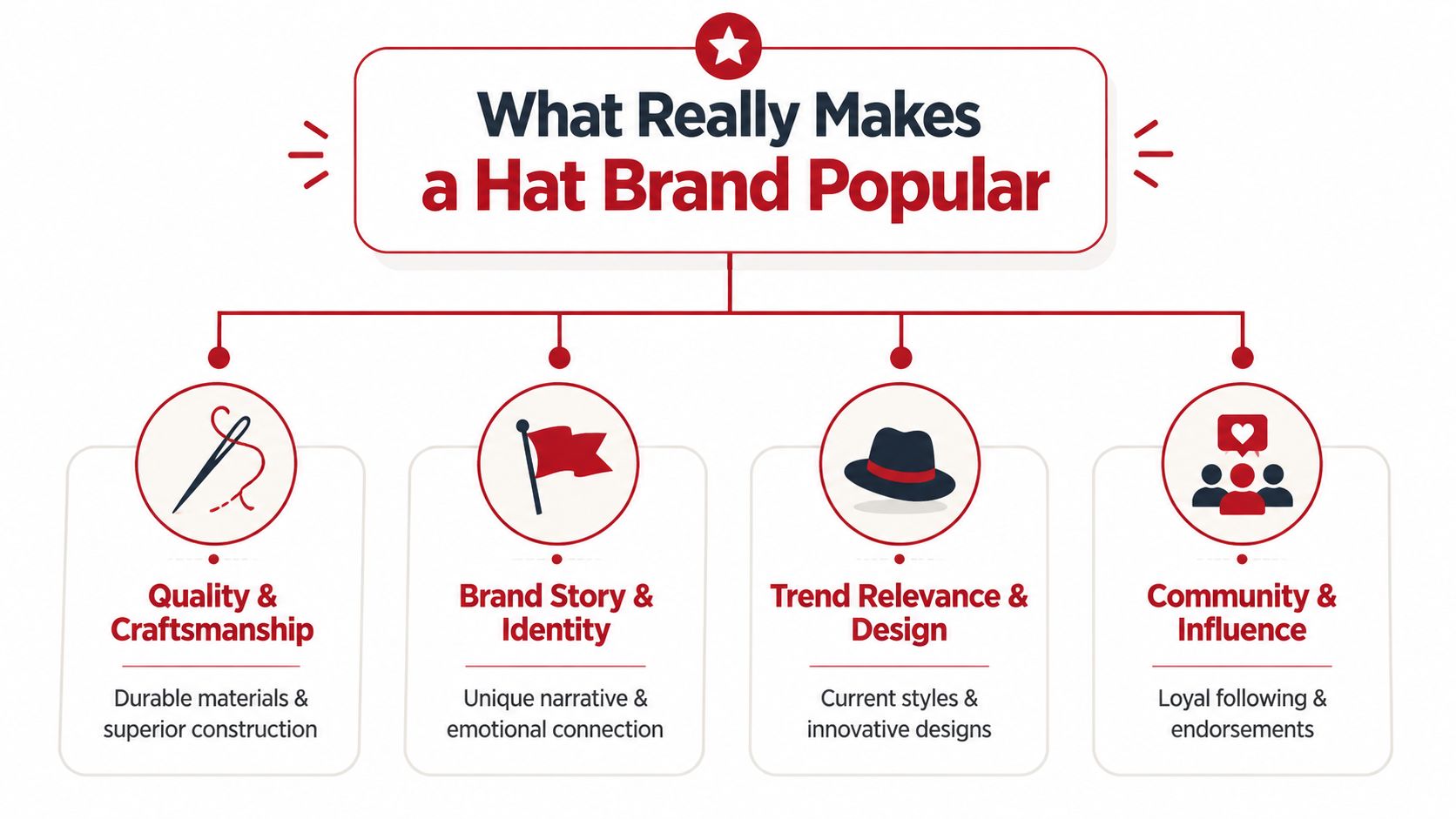
Heritage matters when you want built-in trust
Some brands are popular because they've been around long enough to mean something. Stetson, Borsalino, and Lock & Co. Hatters carry history, and that history shapes how people read the product. Heritage can help if you want a traditional look, a western identity, or a premium feel rooted in craftsmanship.
For most custom buyers, though, heritage is useful only when it supports the project. A deep brand story helps, but it doesn't automatically make a hat easier to decorate or smarter to buy in volume.
Performance wins when the hat has to work
Nike, New Era, and Flexfit get attention because they connect style with function. That matters for sports teams, outdoor crews, active events, and staff uniforms people will wear for hours.
Performance popularity usually comes from details buyers notice after the first wear:
- Breathability
- Sweat management
- Reliable structure
- Consistent fit across repeated orders
If your hats need to survive sun, sweat, movement, or repeat use, performance matters more than trend.
Fashion drives demand in merch and resale
Some brands become popular because they line up with the silhouette people want right now. That's less about technical specs and more about shape, crown height, closure style, and whether the hat looks current on a rack or in a product photo.
Brands in this lane help apparel creators and small merch brands because they give the finished piece a retail feel. If you're launching a drop, it helps to study broader product momentum too. The insights for Kickstarter campaign creators are useful here because they show how presentation, audience fit, and product positioning influence what people back and share.
Budget keeps the project realistic
A hat brand also becomes popular when buyers can keep reordering it without wrecking margins. That's where value brands earn their place. They may not carry the same brand halo, but they often solve the core problem: getting a good-looking hat decorated cleanly at a quantity you can justify.
A hat can be popular on social media and still be a bad wholesale buy.
The best way to judge a style is to look at how the decoration will sit on it, not just how the blank looks by itself. If you want a deeper breakdown of which constructions behave well under stitching, this guide to hats for embroidery logos is a useful next step.
Top Brands for Customization You Should Know
A new business owner usually starts with the name they already know. Then the sample arrives, the logo stitches too high on the crown, the patch sits awkwardly on the seam, or the unit cost blows up the margin. Popular brands only help if they also work as blanks.
The brands below show up often in wholesale programs because they solve specific decoration problems well. That is the filter that matters for custom work.
Richardson for retail-ready truckers
Richardson earns its place on custom order sheets because the shape is dependable. The front panels stay structured, trucker silhouettes are easy to sell, and embroidery usually reads cleanly from a few feet away.
That makes Richardson a strong fit for breweries, contractors, outdoor brands, event merch, and shop uniforms that need a familiar American trucker look. If the logo is going on the front and you want the hat to feel retail-ready without paying premium-brand pricing, Richardson is often one of the safest picks.
The trade-off is style range. A structured trucker does not suit every brand. If you want a softer, washed, low-profile look, Richardson can feel too rigid.
Flexfit and YP Classics for cleaner production runs
Flexfit and YP Classics are popular with decorators for a simple reason. They usually behave well on the machine.
Structured six-panel builds give the front logo area enough support for standard embroidery, 3D puff, and many patch applications. That matters on larger runs because consistency saves time. Fewer panel distortions and fewer awkward crown shapes usually mean fewer sew-outs, fewer adjustments, and less waste.
They fit several common use cases well:
- Team caps that need a secure fit and a more athletic shape
- Corporate programs where the hat should look neat out of the box
- Retail merch that needs a clean silhouette for shelf and photo use
- Repeat orders where consistency matters as much as the first sample
The main trade-off is fit preference. Stretch-fit styles feel better to some buyers and frustrate others. For giveaways or mixed-size groups, adjustable closures are often easier to manage.
New Era for premium sports and team programs
New Era carries built-in credibility. That matters when the audience notices the hat brand before they notice the decoration.
For leagues, gyms, coaching staff, sports retail, and licensed-looking merch, New Era gives the project a more official feel. The crown shapes are familiar, the branding is recognizable, and many styles are built to present a front logo cleanly. Businesses comparing silhouettes for team or resale use can review the New Era collection for custom and blank caps to see the styles commonly chosen for decorated programs.
Cost is the obvious trade-off. New Era works best when the hat itself is part of the value, not when you are trying to hit a low giveaway price.
On branded headwear, the label often influences perceived value almost as much as the logo.
Nike for athletic and corporate wellness orders
Nike works best when brand recognition helps the sell. Tournaments, golf outings, fitness studios, coaching staffs, and wellness programs are typical examples.
The appeal is straightforward. Buyers already trust the brand, and the athletic styling can make a custom piece feel more current than a generic performance cap. For the right audience, that shortens the decision process.
The downside is flexibility. Nike styles usually cost more, and some projects feel overbranded once you add your mark to a hat that already carries a strong identity. For budget-sensitive promo runs, there are usually better blank options.
Legacy and Valucap for practical budget control
Legacy and Valucap matter because many custom orders are constrained by total program cost, not by trend.
Legacy is useful for softer, casual projects. Dad hats, washed cotton caps, school merch, campus stores, and local lifestyle brands often sit well in that range because the hats already have a broken-in look. Decoration tends to work best when the logo is simple and the branding is understated.
Valucap serves a different purpose. It is a volume brand. If the goal is to outfit staff, support a fundraiser, cover an event, or keep nonprofit spending in line, Valucap often gets the job done without forcing major compromises on the imprint area.
Here's the quick-glance view.
| Brand | Best For | Key Style(s) | Embroidery Friendliness |
|---|---|---|---|
| Richardson | Merch lines, trucker programs, casual uniforms | Trucker caps, snapbacks | Very good on structured fronts and patches |
| Flexfit | Teams, polished branded wear, comfort-focused orders | Stretch-fit 6-panel caps, structured athletic styles | Strong for dense front embroidery and repeat runs |
| YP Classics | Versatile custom programs | Snapbacks, classic structured caps, dad hats | Consistently good across common logo placements |
| New Era | Sports leagues, premium staff caps, branded resale | Fitted caps, stretch-fit sports styles, mesh-backed options | Strong when you want bold front logos and a premium finish |
| Nike | Athletic events, golf, branded corporate wear | Performance caps, relaxed athletic styles | Good for cleaner logos and sport-driven branding |
| Legacy | Lifestyle merch, schools, casual retail | Dad hats, washed cotton styles, relaxed caps | Better for simpler embroidery and softer branding |
| Valucap | Giveaways, nonprofits, budget-conscious bulk orders | Basic cotton caps, truckers, promotional styles | Solid when the logo is straightforward and the cost target matters |
How to Choose the Right Hat for Your Goal
A new buyer usually starts with the wrong question. They ask which brand is most popular. The better question is what the hat needs to do after it is decorated, packed, and worn in actual use.

In wholesale custom headwear, popularity only matters if it helps the outcome you want. A well-known brand can help perceived value, but crown shape, fabric, closure, and decoration compatibility usually matter more once you start pricing samples and placing a real order. If you need a refresher on how blanks are evaluated before decoration, this wholesale blank hats buying guide covers the basics.
For promotional giveaways
Giveaway hats need reach. They have to fit a broad group, keep the unit cost under control, and still leave enough room for a clean logo.
That points most buyers toward simpler blanks. Basic truckers, cotton twill caps, and relaxed dad hats usually perform better here than premium athletic styles with a higher blank cost and a more specific fit.
Keep the decoration restrained. A straightforward front logo, simple embroidery, or an easy-to-read patch tends to hold up better than a detailed design that looks crowded on a low-cost cap.
For building a merch line
Merch is less forgiving. Customers judge the blank, not just the artwork.
The shape of the crown, the way the brim sits, the closure, and the fabric finish all affect whether the hat feels worth buying. That is why wholesale buyers building resale programs often sample Richardson, Legacy, YP Classics, and selected New Era styles first. Those brands cover very different looks, and that matters more than the logo on the sweatband.
A structured snapback or trucker usually fits streetwear, outdoor, and brewery merch. A washed dad hat works better for coffee shops, local retail, and softer lifestyle branding. Athletic silhouettes can sell well too, but only if the rest of the brand already has that sports-driven identity.
I always tell first-time merch sellers to wear the sample for a full day before approving it. If the crown feels too tall, the sweatband runs hot, or the closure feels cheap, customers will notice.
For sports teams and active use
Athletic orders need function first. Breathability, stable shape, and repeatable fit matter more than trend.
Brand recognition still helps, especially for teams, coaches, and event staff who want a cap that already reads as sport-focused. That is part of why Nike, New Era, and Flexfit stay in the conversation for active use. They serve different needs, though. New Era brings a stronger sports identity. Nike fits branded athletic and golf programs well. Flexfit is often the practical choice when comfort, stretch, and consistent structure matter more than label recognition alone.
A quick visual breakdown helps if you're comparing styles before you order samples.
For staff uniforms and everyday brand wear
Staff hats need to survive repeat use. They also need to be comfortable enough that employees keep wearing them after the first week.
For most customer-facing teams, mid-profile caps, clean truckers, and understated performance styles are the safer choice. Fashion-forward silhouettes can work, but only if the brand itself supports that look. Otherwise, the hat ends up feeling like a costume instead of part of the uniform.
Choose the hat your team will wear on a long shift. That usually does more for brand visibility than picking the most recognizable name in the catalog.
Navigating the Wholesale and Customization Process
A lot of first orders go sideways in the same place. The hat choice is close enough, the logo looks fine on screen, and then the finished pieces show up with poor coverage, warped panels, or a backorder that forces a last-minute substitute.
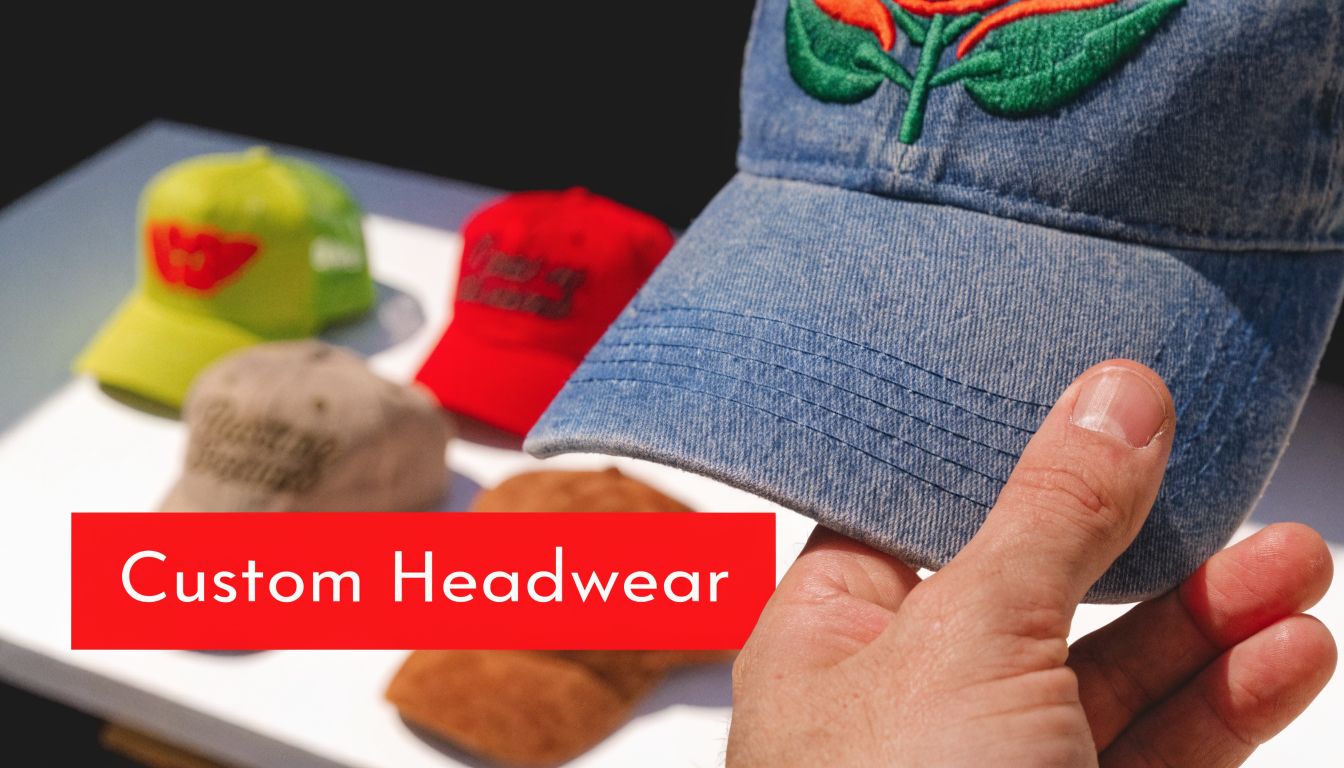
Start with the blank, not the decoration wish list
Decoration should follow the hat, not the other way around.
Buyers often start with a finish they like, such as 3D puff, a leather patch, or a woven label. That approach creates problems fast if the cap's shape, fabric, or front panel cannot support the look. A soft unstructured dad cap can carry small front embroidery well. The same hat usually will not hold a thick raised logo cleanly. A foam trucker may suit a patch, but fine text can still get lost if the artwork is too detailed.
Check the cap first, then approve the decoration method. That usually prevents the expensive mistakes.
Before production starts, confirm these details:
- Stock availability, so your sample hat is still available when you place the full order
- Minimum order quantity, because supplier flexibility varies a lot by brand and decoration method
- Front panel structure, so embroidery, patches, or prints sit correctly
- Fabric and color contrast, especially if your logo relies on fine outlines or tonal thread
- Proof readability, including small text, border thickness, and placement on the actual crown shape
Know where sustainable blanks fit
Sustainability matters for some programs more than others. School stores, nonprofit campaigns, and younger retail-focused brands tend to ask about it earlier in the process.
The practical issue is availability. Many articles cover eco-friendly retail hats, but that does not help much if you need blank inventory in wholesale quantities and a cap that still decorates cleanly. Recycled-content blanks from brands such as Legacy and Valucap can give buyers a workable middle ground. You keep the project aligned with the brand story without jumping straight to premium retail pricing.
If sustainability is part of the pitch, ask about it before you request sew-outs or final pricing. That keeps you from rebuilding the order later.
Build a repeatable ordering system
The smoothest wholesale orders are boring in a good way. Pick one primary blank and one backup. Match the logo treatment to the cap construction. Review a proof sized for the actual panel, not an oversized mockup. Then approve a sample or first run before committing to a reorder.
If you need a practical checklist, this wholesale blank hats buying guide walks through the buying points that affect price, decoration, and reorder consistency. It also helps to compare your plan against other examples of promotional headwear for your business, especially if you are still deciding between staff wear, event merch, and resale product.
Dirt Cheap Headwear is one supplier buyers often review when they need access to major blank brands, lower custom minimums, and in-house decoration options.
The best wholesale process is the one you can repeat without surprises.
Start Your Custom Headwear Project Today
You have a logo approved, a budget range, and a deadline. Now the brand decision needs to turn into an order that wears well, decorates cleanly, and can be repeated if the first run sells through.
Popularity matters here, but only in the wholesale sense. A brand is useful when it gives you dependable sizing, stable inventory, and a shape that fits your decoration method. Richardson still makes sense for structured truckers and patch work. Legacy fits projects that need a softer, broken-in look. Flexfit works well when comfort and clean embroidery both matter. New Era can be a strong pick for team, staff, and event programs that need a more athletic profile.
The better question is simple. Which hat will still make sense after the sample stage, after the first reorder, and after real customers start wearing it?
If you are still comparing directions, it helps to review examples of promotional headwear for your business. The value is not copying another company's product mix. It is seeing how different buyers pair audience, price point, and decoration style.
A good custom hat earns its place by doing three things well. It fits the use case. It carries the logo without distortion. It lands at a cost you can live with once quantities, setup, and reorders are factored in.
Dirt Cheap Headwear is one supplier buyers often consider when they want access to major blank brands, lower custom minimums, and in-house decoration options.
If you are ready to stop comparing and start building the order, browse the catalog and custom options at Dirt Cheap Headwear.
Pingback: Wholesale Rope Hats for Apparel Brands | Dirt Cheap Headwear
Pingback: Leather Strap Hats: Your Guide to Custom Styles 2026 | Dirt Cheap Headwear