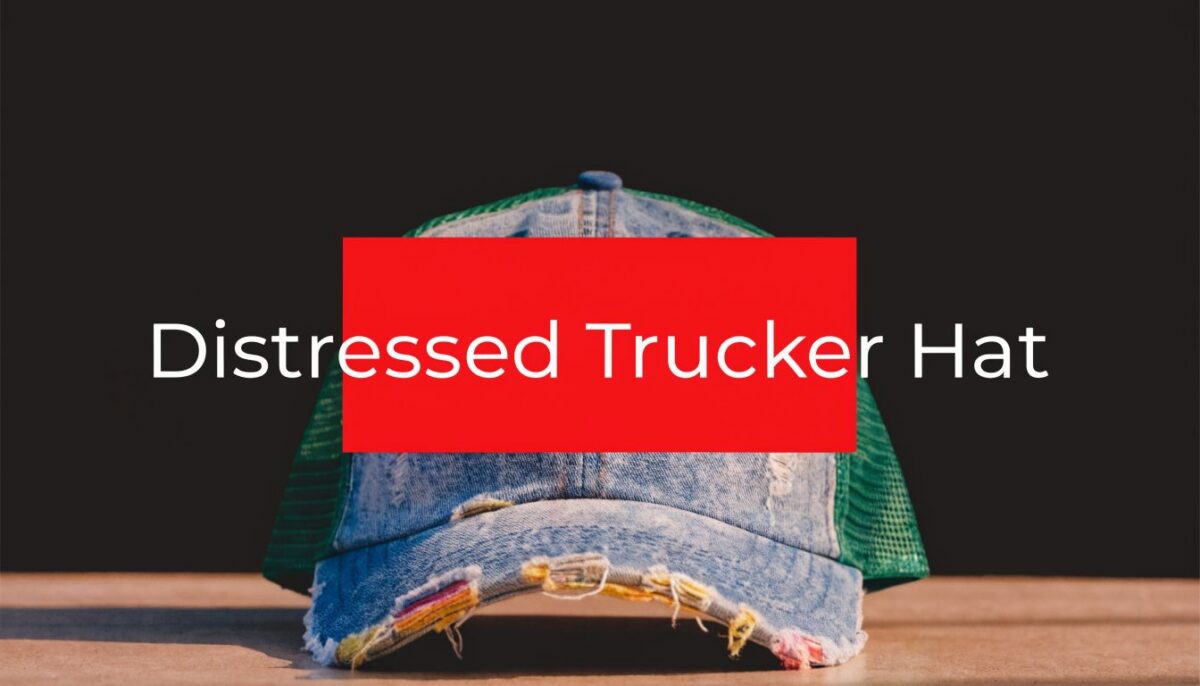
You’re probably here because you’ve seen one of two things happen.
Either you found a distressed trucker hat that looked great online, then got stuck trying to figure out whether it would fit your style, your team, or your logo. Or you already know you like the look, but you’re not sure how the “worn-in” finish changes the buying decision.
That confusion makes sense. A distressed trucker hat sits in a funny middle ground. It looks casual and effortless, but the details matter a lot. The front fabric, the shape of the crown, the amount of fading, and especially the way embroidery behaves on that textured surface can make the difference between “this feels spot on” and “why does this look off?”
The good news is that this style is easy to understand once you know what to look for. And if you're ordering for a brand, school, team, merch line, or event, the practical side matters just as much as the cool factor.
The Undeniable Cool of the Worn-In Hat
A distressed trucker hat isn’t loved for its perfection; its appeal lies precisely in its imperfect appearance.
It looks like the hat you’ve had for years. The one that’s been in the truck, on the boat, at the field, on weekend errands, and tossed onto the passenger seat a hundred times. That broken-in look feels familiar right away, even when the hat is brand new.
Why the look works
A clean, crisp cap can look sharp. But it can also feel stiff, both physically and visually. A distressed trucker hat softens that whole impression. Faded color, frayed edges, worn seams, and a less rigid crown make it feel easier to wear.
That’s its primary appeal. It gives off authenticity without trying too hard.
People also like how forgiving it is. A heavily polished hat can feel tied to one outfit. A distressed one works with old denim, a hoodie, workwear, joggers, or a simple tee. It looks like part of your routine instead of a costume.
A good distressed hat doesn’t look damaged. It looks lived in.
Why buyers keep coming back to it
For personal wear, the draw is simple. You get the comfort and attitude of a favorite old cap without waiting years for it to break in.
For businesses and teams, the same quality is useful in a different way. A distressed trucker hat can make branded gear feel more wearable. That matters when you want people to put the hat on, not just toss it in a drawer after an event.
It also solves a common branding problem. Some logos look too formal on a shiny, rigid cap. Put that same mark on a worn-looking trucker hat, and it can suddenly feel more natural, more current, and more connected to lifestyle instead of just promotion.
Anatomy of a Distressed Trucker Hat
A distressed trucker hat has the same basic bones as a standard trucker cap, but the materials and finish change the feel in a big way.
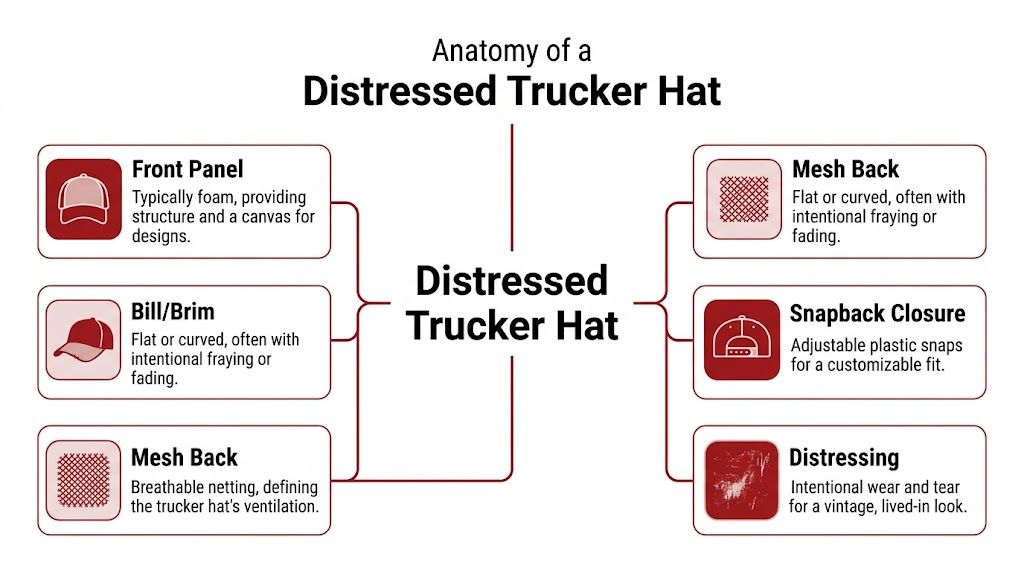
At a glance, you’ll usually notice four parts first. The front panel, the bill, the mesh back, and the closure. The fifth element is the one that gives the hat its identity. That’s the distressing itself.
The front panel and crown
The front panel is where the logo usually goes. On many distressed styles, this area uses twill rather than the classic foam you see on old-school promo caps. That choice changes both the look and the structure.
Some distressed trucker hats use dirty bio-washed chino twill on the front, in a 55% cotton and 45% polyester blend, and that treatment softens the fabric enough to reduce stiffness by up to 30% after 10 washes, while helping the crown mold to the head for a less “poofy” fit, according to the Flexfit trucker cap guide.
That’s why distressed styles often feel more relaxed than a tall, rigid cap straight out of the box.
If you’re comparing silhouettes, it helps to look at an Otto trucker hat style next to a heavily washed option. You’ll see how much the front panel shape influences the overall personality of the cap.
The mesh and closure
The trucker look depends on the back half of the hat. That open mesh is what gives the style its classic profile and easy airflow.
Then there’s the snapback closure, usually a plastic tab system with multiple size settings. It’s simple, durable, and easy for group ordering because one hat can fit a broad range of people without custom sizing.
The closure isn’t exciting, but it’s one of the reasons trucker caps have stayed so popular for uniforms, events, and merch. They’re easy to hand out and easy to wear.
What “distressed” really means
The word gets used loosely, so it helps to be specific. Distressing usually refers to intentional finishing methods that make a new hat look aged.
That can include:
- Sanding on the brim or seams for a faded, rubbed-down edge
- Fraying or abrasion around the bill, crown, or panel edges
- Bio-washing to soften fabric and remove that fresh-off-the-shelf stiffness
- Color fading that gives the cap a sun-worn appearance
It's like pre-ripped jeans. The goal isn’t to make the product weak. The goal is to make it feel broken in from day one.
Practical rule: If the distressing looks random and balanced, the hat usually feels stylish. If it looks too symmetrical or overly aggressive, it can feel costume-like.
From Farm Giveaway to Fashion Statement
The trucker hat didn’t start as a style piece. It started as practical gear.
In the early 1970s, U.S. feed companies, farming suppliers, and agribusinesses handed out trucker hats as promotional giveaways to farmers, truck drivers, and rural workers. The foam front gave companies a big space for logos, while the mesh back kept the hat breathable in hot working conditions, as noted in this history of the trucker hat.
That origin matters because it explains why the style still feels honest. Even when you buy a fashion version today, the shape carries that workwear DNA.
The workwear years
Those early caps weren’t meant to be precious. They were affordable, functional, and built to be worn outside.
By the mid-1970s, they had become a familiar part of blue-collar uniforms, especially in parts of the U.S. where farming and trucking were central to daily life. That’s also why the trucker hat picked up nicknames like “gimme cap” and “feed cap.” People often got them free, wore them hard, and replaced them when needed.
That rough, useful history is exactly why distressing feels so natural on this style. A trucker hat already belongs to a visual world of sweat, sun, dust, fading, and repeat wear.
The jump into pop culture
By the early 2000s, trucker hats had moved far beyond feed stores and job sites. They hit mainstream fashion in a big way, pushed by celebrity wear, skate culture, surf scenes, music circles, and premium labels releasing their own versions. One cultural analysis describes that shift as a 100%+ market expansion from niche workwear into fashion in this overview of trucker hat evolution.
That revival changed how people read the hat. It still carried blue-collar roots, but now it also suggested irony, confidence, and laid-back style.
A distressed trucker hat sits right at the center of that story. It keeps the worn, practical spirit of the original while fitting easily into modern streetwear, casual retail, and branded merch.
Finding Your Perfect Distressed Trucker Hat
Buying a distressed trucker hat gets easier when you stop thinking in vague terms like “cool” or “vintage” and start comparing the actual variables. Shape matters. Distressing level matters. So does the front fabric if you plan to decorate it.
For buyers choosing between blanks for resale, uniforms, or custom merch, the biggest fork in the road is usually structured versus unstructured.
Structured and unstructured feel very different
A structured hat holds its shape. The front panel has more support, so the crown sits taller and the logo area stays more visible.
An unstructured hat relaxes faster. It sits lower, feels softer, and usually gives off a more broken-in look right away.
Here’s the fast comparison:
| Feature | Structured Fit | Unstructured Fit |
|---|---|---|
| Front shape | Holds a defined crown | Sits softer and closer to the head |
| Logo presentation | Cleaner and more prominent | More casual and subtle |
| First impression | Sharper, more classic trucker profile | Relaxed, vintage, easygoing |
| Best for | Bold logos, team identity, outdoor visibility | Lifestyle merch, softer branding, everyday wear |
| Distressed look | Contrast between worn finish and firm shape | Fully broken-in feel from the start |
A distressed finish on a 35/65 cotton-poly blend front can increase embroidery adhesion by up to 25%, and structured 6-panel designs improve logo visibility by 40% in outdoor light compared with unstructured hats, according to this distressed trucker hat product analysis.
That makes structured options especially useful when you want your design to read clearly from a distance.
Choosing your level of distressing
Not all distressing looks the same. Buyers often lump everything together, but there are distinct lanes.
- Light distressing works if you want a cleaner brand presentation. You might see faded fabric and a little edge wear on the brim.
- Medium distressing gives you the classic worn-in look, which is widely recognized. This is often the safest middle ground for staff gear and retail merch.
- Heavy distressing makes a stronger statement. Fraying is more obvious, colors look older, and the hat leans harder into vintage styling.
If you’re shopping across brands, it helps to compare a few trucker cap brands side by side instead of relying on one product photo. Different brands can use very different crown heights, panel stiffness, and wash treatments even when they use similar language.
A quick way to narrow your choice
If you’re still torn, match the hat to the job:
- For staff uniforms, pick a structured cap with moderate distressing.
- For apparel brands, unstructured or lower-profile shapes often feel more current.
- For team orders, go with a shape that fits a wide range of people and keeps the logo readable.
- For broader inspiration, browsing a wide range of headwear options can help you compare trucker styles against rope caps, dad hats, and other formats before you commit.
If your logo is detailed, start with shape first and distressing second. Buyers often do the reverse, and that’s where mistakes happen.
How to Style and Care For Your Hat
A distressed trucker hat is easy to wear because it already looks relaxed. You don’t need to overbuild the outfit around it.
Simple ways to style it
For everyday casual wear, pair it with jeans, a plain tee, and sneakers. The hat does enough on its own, so the rest of the outfit can stay clean and simple.
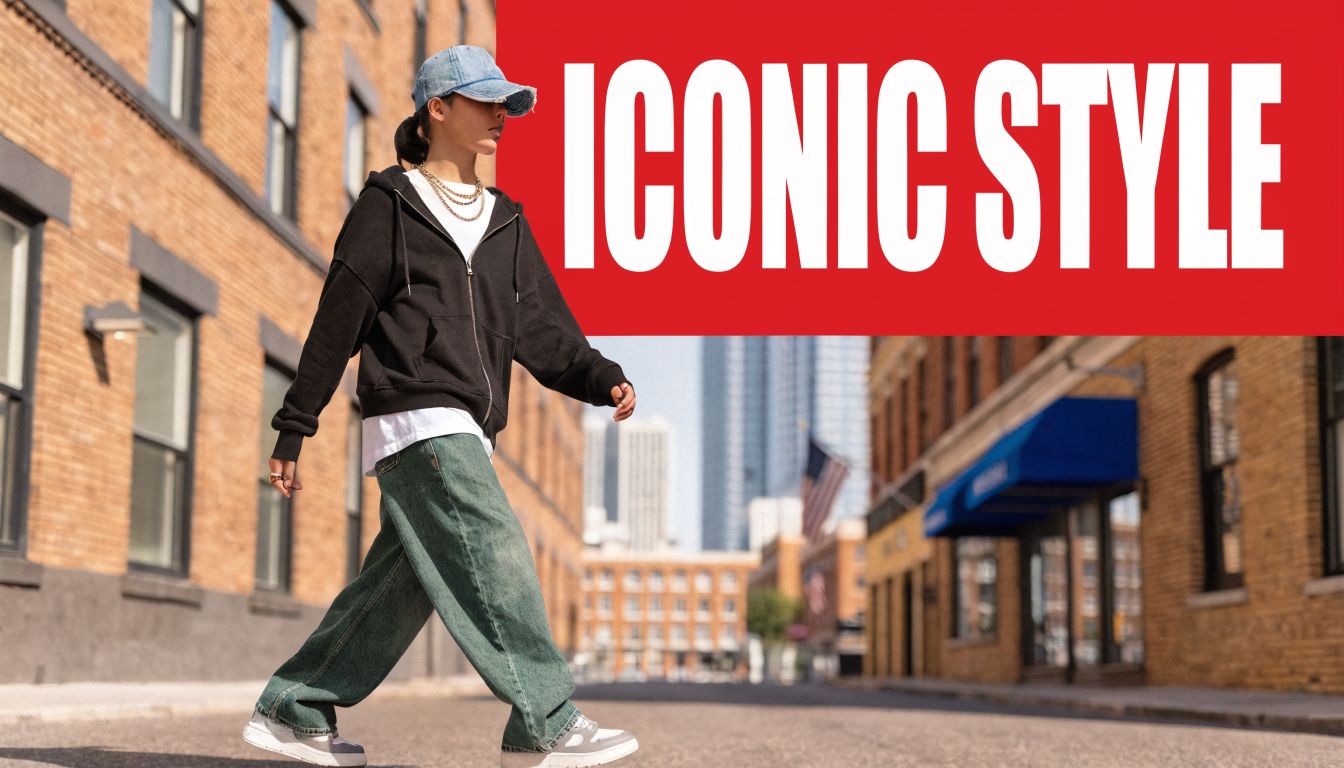
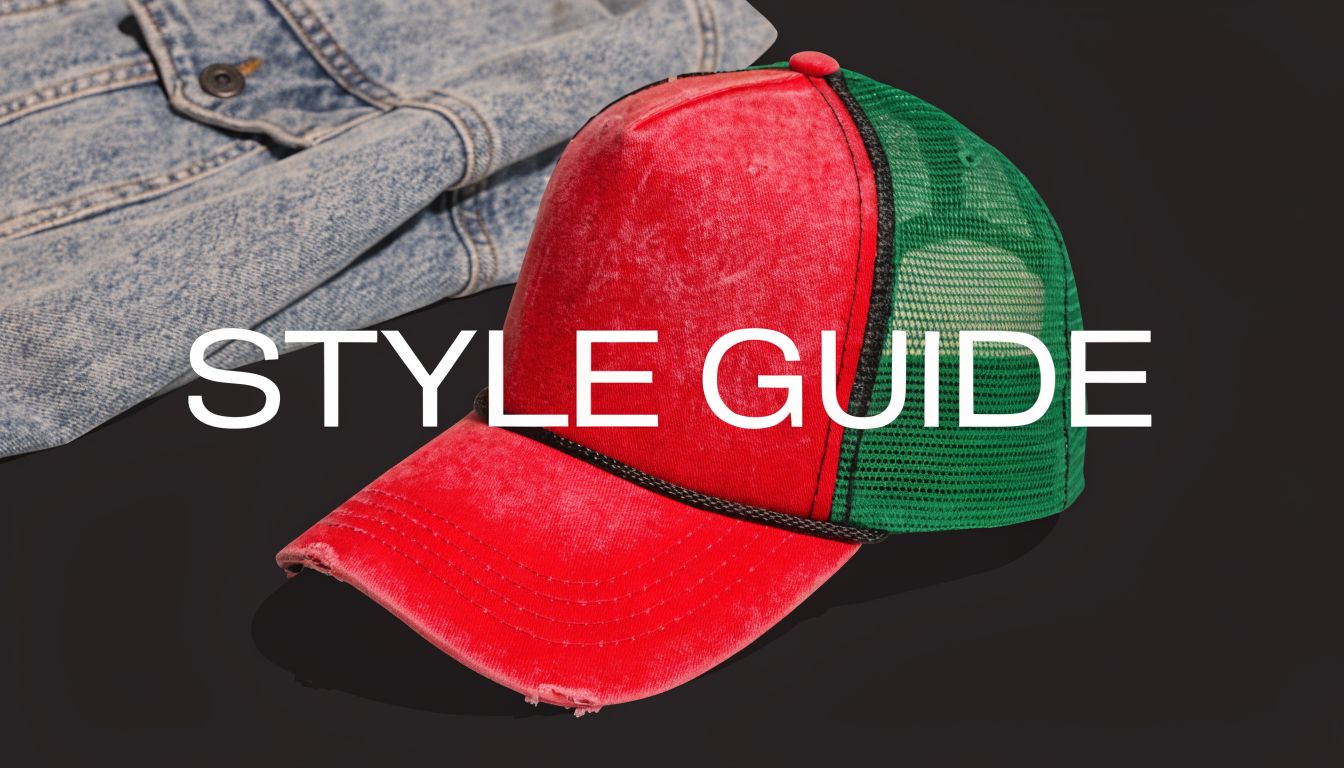
For streetwear, a distressed trucker hat works well with a boxy hoodie, cargo pants, or wide-leg denim. In that context, the worn finish adds texture and keeps the look from feeling too polished.
If you want a workwear angle, try it with a chore jacket, flannel, or faded overshirt. That combination lines up naturally with the trucker hat’s roots.
How to clean it without ruining the look
People often get nervous about this, and for good reason. Distressed hats are supposed to look worn, but that doesn’t mean you want the shape collapsing or the frayed areas getting worse.
Use a gentle routine:
- Brush off loose dust first. A soft brush or dry cloth works.
- Spot-clean sweat marks or dirt. Use mild soap, cool water, and a cloth.
- Hand-wash only if needed. Avoid soaking it longer than necessary.
- Reshape the crown and brim while damp. Let it air-dry naturally.
Don’t throw it in the machine if you can avoid it. Agitation can warp the brim, twist the crown, or make distressed edges look messy instead of intentional.
A quick visual guide can help if you’re unsure about handling shape and cleanup:
Hand-cleaning preserves the hat’s character. Machine washing tends to add damage, not patina.
When to leave it alone
Some wear is part of the appeal. If the hat has a little fading and a few softened edges, that’s not a problem to fix. That’s the style doing what it’s supposed to do.
The goal isn’t to keep a distressed trucker hat looking new. The goal is to keep it looking good.
Your Guide to Custom Bulk Orders
Here, distressed trucker hats get more interesting than most style guides admit.
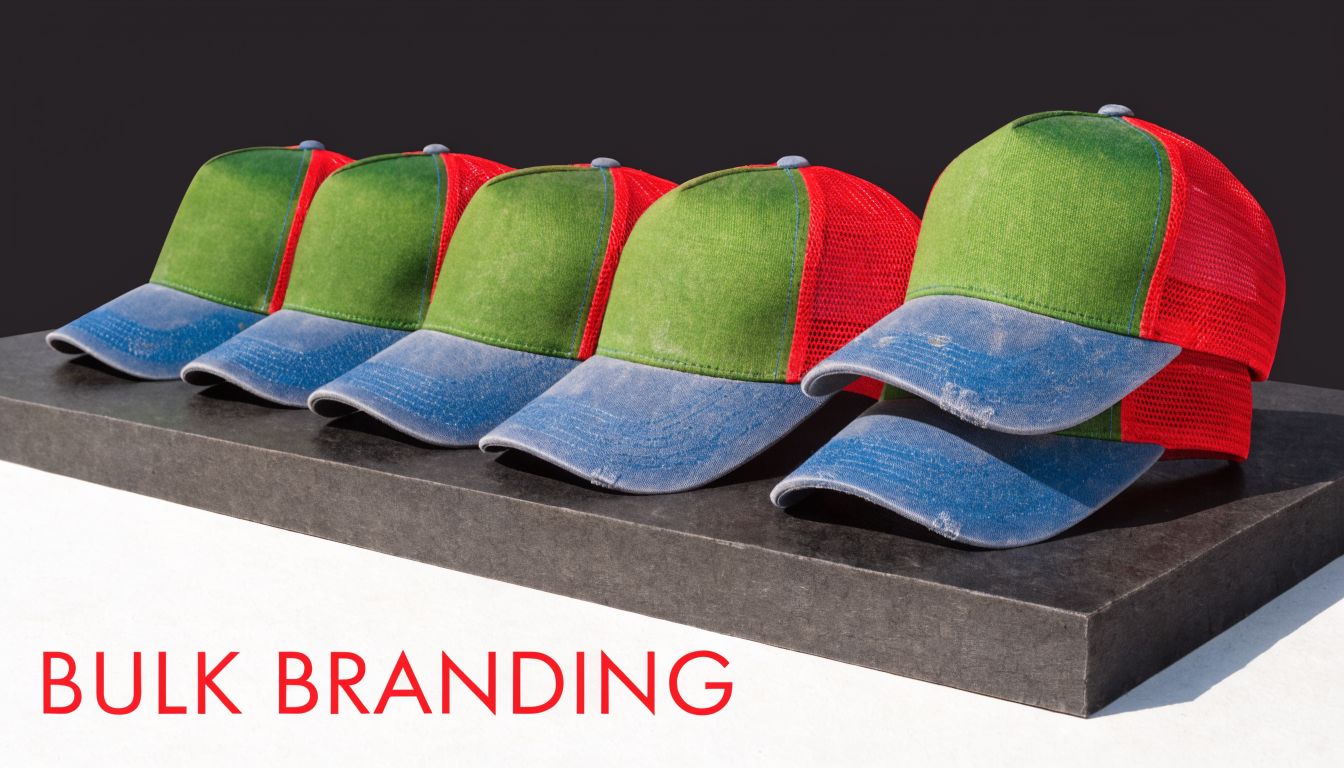
A plain buying guide will tell you they look vintage and relaxed. True enough. But if you’re ordering for a business, team, school, fundraiser, or merch line, the key question is whether that worn finish helps or hurts decoration.
In many cases, it helps. A 2025 Headwear Association report noted a 35% rise in custom distressed hat orders among U.S. small businesses, while also pointing out that few suppliers explain decoration durability clearly. The same source notes that specialized underlay stitching is important, and that pre-distressed fabric can improve perceived vintage authenticity and brand appeal, according to this distressed hat market overview.
Why brands like the look
Distressed hats make new merch feel less promotional. That matters.
A startup can use them to avoid the “trade show freebie” look. A restaurant can make staff hats feel more wearable off shift. A lifestyle brand can launch a logo cap that already feels broken in, which makes it easier to sell as apparel rather than just branded merchandise.
The finish also changes how people perceive the design. A clean corporate logo on a distressed trucker hat often feels more approachable than the same logo on a shiny, untouched cap.
The embroidery details that matter
Many buyers find this aspect confusing. Distressed fabric has texture. Texture affects stitch behavior.
A few practical points help:
- Flat embroidery is usually the safest option for small details, script logos, and more intricate artwork.
- 3D puff embroidery can look excellent on the right front panel, especially if the crown has enough support and the design has bold, simple shapes.
- Underlay stitching matters because it stabilizes the design underneath the visible thread. On distressed surfaces, that extra support can help the top stitching sit cleaner.
- Placement matters too. If the distressing is heavy near the edge of the panel or brim, keep the design centered where the fabric is most stable.
Ask for a proof that shows scale clearly. On distressed hats, a logo that looks balanced on a screen can feel crowded once it’s stitched onto a textured front panel.
A cleaner ordering process
If you’re placing a bulk order, keep the prep simple and practical.
Start with these steps:
- Pick the silhouette first. Decide whether your group needs structured or unstructured.
- Choose the distressing level second. Make sure it matches the tone of your brand or event.
- Match the logo style to the hat. Bold marks usually handle textured fabric better than tiny details.
- Send the cleanest art file you have. Crisp files reduce proof confusion.
- Ask decoration questions early. Don’t assume a distressed blank will behave like smooth twill.
For buyers who want a deeper look at blank selection before decoration, this guide on buying bulk blank trucker hats that stitch well is useful because it keeps the focus on sewability, not just style.
What to watch for before approving
Bulk orders go smoother when you check a few basics before signing off:
- Front panel height: A taller crown gives embroidery more room.
- Mesh color: Make sure it works with the logo thread and front fabric.
- Thread contrast: Distressed color fades can make low-contrast thread disappear.
- Brim wear: Fraying near the bill can look great, but it shouldn’t compete with the design.
The best custom distressed trucker hat orders don’t fight the texture. They use it. When the logo, thread, and hat style all fit the same mood, the result feels intentional instead of forced.
The Perfect Blend of Style and Story
A distressed trucker hat works because it combines two things people care about. It has style, and it has context.
The style part is obvious. It’s relaxed, easy to wear, and more forgiving than a crisp, untouched cap. The story part is what gives it depth. This shape comes from real workwear history, and the distressed finish plays into that heritage in a way that feels natural instead of fake.
That combination makes it useful for almost anyone. If you’re buying for yourself, it gives you that broken-in feel without the wait. If you’re buying for a brand, team, or event, it gives your logo a more lived-in, wearable setting.
The practical side matters too. Shape, distressing level, and embroidery compatibility all affect the final result. Get those right, and a distressed trucker hat stops being just another cap. It becomes something people actually want to keep wearing.
Frequently Asked Questions
Can I distress a new trucker hat myself
You can, but go slowly. Light sanding on the brim edge or gentle washing can create a softer look. The risk is going too far and making the hat look damaged instead of naturally worn.
If you’re working with a custom logo hat, I’d be extra careful. DIY distressing after embroidery can rough up stitching, especially around raised thread.
What’s the difference between distressed and vintage
A distressed hat is made to look aged at the factory through washing, sanding, abrasion, or fading. A vintage hat is older and gained its wear through time and use.
That difference matters when you buy for branding. Distressed hats give you a controlled look. True vintage hats vary a lot in fit, condition, and consistency, which makes group ordering much harder.
Are distressed hats okay for company branding
Yes, if the brand tone fits. They work especially well for breweries, restaurants, outdoor businesses, creative brands, gyms, clubs, and casual retail.
If the logo is more formal, keep the distressing moderate and use a clean embroidery layout. That gives you personality without losing legibility.
Are distressed trucker hats good for detailed embroidery
They can be, but the design needs to match the surface. Bold lettering, simple icons, and clean shapes tend to work best. Fine-detail logos can still look good, but they need careful digitizing and thoughtful thread choices.
The biggest mistake is treating distressed fabric like a smooth, plain cap. It isn’t. Texture changes everything from edge sharpness to how the stitches sit on the panel.
If you’re ready to turn that worn-in look into branded headwear people will want to wear, Dirt Cheap Headwear makes it easy to source blank hats, compare styles, and order custom embroidery with low minimums for teams, brands, events, and small business runs.