
How to Wear a Snapback Hat Without Looking Outdated
Most snapback advice is stuck in 2014. It still acts like there's one “right” way to wear a cap, and that the answer is some loud, overly styled look that belongs in a music video, not on an actual person walking into a café, game, or weekend hangout.
A snapback is just a structured cap with a flat brim and an adjustable plastic snap closure at the back, and the cleanest default is still forward-facing, not sideways or theatrically bent (history of snapback hats). The modern question isn't whether you can “pull off” a snapback, it's whether you can make it look current, easy, and deliberate.
What is a snapback cap gives the basic definition if you want the quick refresher, but the game in 2026 is simpler. Get the fit right, keep the silhouette calm, and stop wearing it like you're trying to prove you know how to wear a snapback hat.
Why Most Snapback Advice Feels Stuck in 2014
A lot of snapback advice still sounds like it came from someone dressing for a rap-video costume board. It pushes “edgy” styling, treats the cap like a loud identity marker, and assumes bigger visual energy is always better. That formula is dated.
Many wearers assume snapbacks need to dominate the outfit, or that the hat should announce itself the second you walk in. That approach misses what looks current now. A snapback works best when it reads like a structured part of the outfit, not the whole point of it.
The old habit of making sideways placement the default is still one of the easiest ways to make a snapback look stale. It used to signal attitude, but today it often looks like someone is following an old internet template without looking at the rest of the fit. Current style favors restraint, especially when the clothes already have color, volume, or texture.
Practical rule: if the hat feels louder than the clothes, you've already gone too far.
The better way to approach how to wear a snapback hat is to separate the cap's history from the way it should look now. If you want the quick refresher on what a snapback is, this snapback hat history guide covers the background, including its baseball roots and the modern 6-panel cap shape that helped define the silhouette. That history matters, but it does not tell you to dress like a throwback.
A 2026 snapback look is cleaner and more deliberate. The modern high-crown shape should sit with purpose, the brim angle should feel slightly intentional instead of stiff, and the overall fit should be comfortable enough that you stop thinking about it after a minute. That is the part most older advice misses. It treats the hat like a relic. The better move is to wear it like a useful cap with current proportions, because that is what makes it look right now.
Getting the Fit Right Before Anything Else
Put the cap on, then judge the geometry
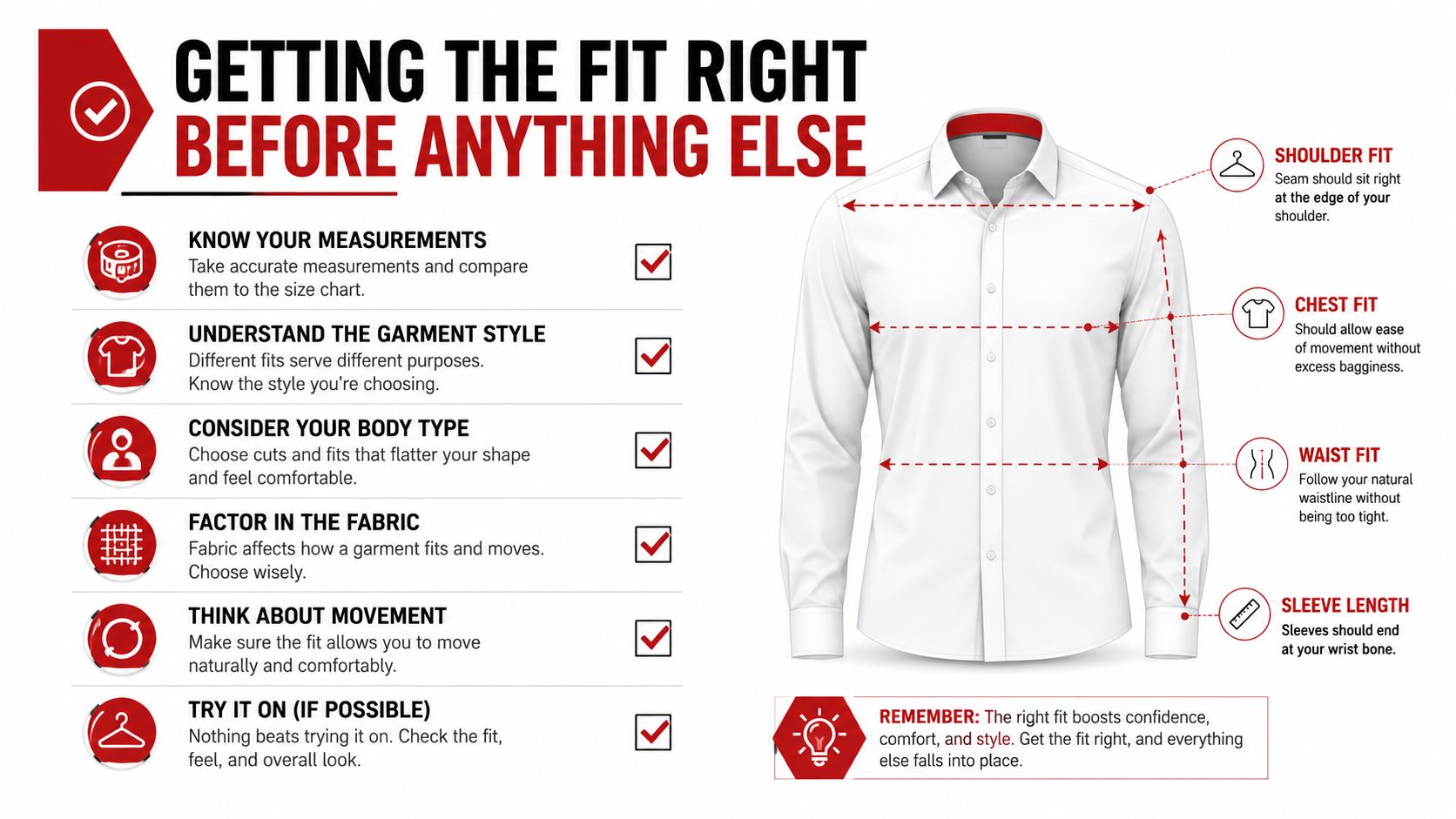
The front panel should sit about a finger's width above the eyebrows. Too low and the cap crushes your face, too high and it starts floating like it doesn't belong there. The crown should contour to your skull without sitting like a rigid box.
The sides should graze the tops of your ears without pressing them down. That's the difference between a hat that looks intentional and one that looks borrowed. If the cap is digging in at the temples, it's wrong, even if it “looks fine” in the mirror for five seconds.
Use the snap, then test the pressure
Adjust the closure until the cap feels centered and stable. If you feel pinching after a few minutes, the hat is too tight. If it shifts around like it's undecided, it's too loose.
The easiest check is the shake test. Give your head a gentle shake, and the cap should stay centered instead of drifting. You also want a single-finger gap between the sweatband and temple so you don't end up with pressure marks or a headache later (how to wear a snapback).
Comfort beats stubbornness. If you keep wearing a snapback that fits badly, you'll start styling around the discomfort instead of the look.
A lot of people assume snapbacks are “one-size-fits-all,” and that's exactly how they end up wearing a hat that looks off. There's a real fit gap for different head sizes and hair types, because adjustable doesn't mean universal (how not to wear a snapback). If the fit is right, you'll know in ten seconds. If you're still negotiating with it after ten minutes, move the snaps again.
Brim Angle and Crown Height for a Modern Look
Keep the brim calm, not dramatic
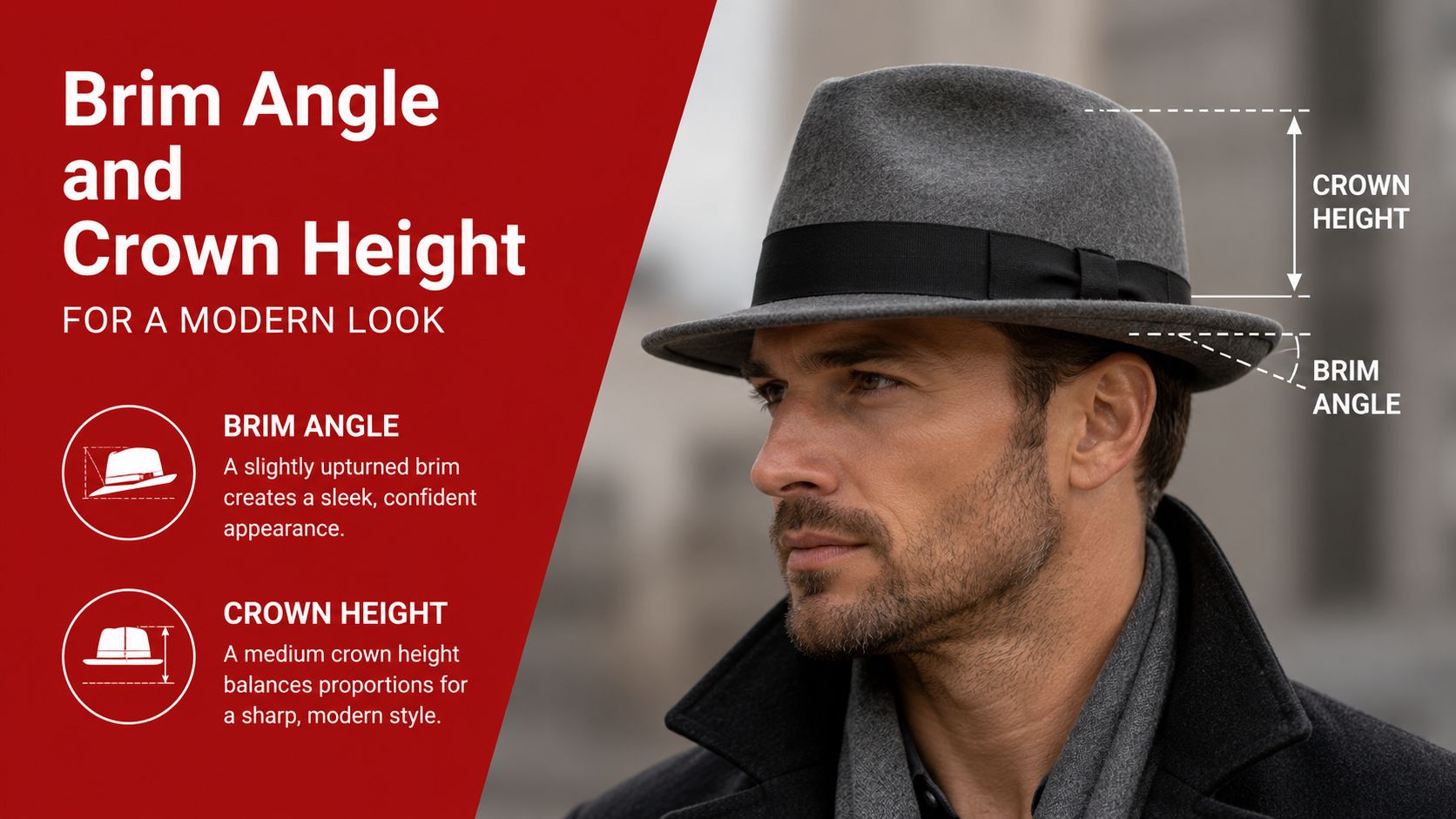
A flat brim should read clean, not aggressive. Straight across is the safest move, and a very slight downward tilt at the sides can look even better because it softens the shape without making it look bent out of habit. Aggressively curved brims usually pull the whole cap backward in style terms.
If you want a more relaxed finish, don't attack the brim with a hard bend. A little shaping is fine, but over-curving a snapback often makes it look like you're trying to turn it into something it isn't. That's why people end up with hats that feel old before they've even left the house.
Let the crown sit higher without looking stiff
The modern snapback silhouette works best when the crown has a bit of lift and doesn't cling to the head like a tight shell. You want structure, but not rigidity. The cap should sit with a relaxed high profile, which gives the face room and makes the whole shape feel more current.
That matters even more when you're choosing a branded cap or team look, because a high crown can carry a logo cleanly without forcing the rest of the outfit to compensate (flat bill snapback hats). If the crown looks crushed, the whole cap looks tired.
My rule is simple, leave the flat brim mostly flat, and let the crown breathe. That combo reads cleaner in person and better in photos. It also avoids the over-styled look that still lingers from older streetwear trends.
If you do want to tweak the shape, do it lightly and be consistent. A cap that's been bent, flattened, and re-bent a dozen times never looks sharp for long.
Matching the Snapback to Your Face, Hair, and Outfit
Proportion matters more than face-shape theory
People obsess over face shape, but snapbacks are forgiving if the proportions are right. A six-panel build usually works across a wide range of faces because the structure gives the cap enough shape without making it hyper-specific. What changes the result is how tall the cap sits and how much visual weight it adds.
If your face is longer, a slightly lower placement can visually shorten the overall shape. If your face is rounder, avoid a crown that sits too tall, because it can make your head look like it's wearing the hat instead of supporting it. The goal is balance, not some universal “best face shape” rule.
Hair changes the silhouette more than most people admit
Short hair gives you the cleanest read because the cap sits directly on the head. Medium hair can look great when a little shows at the back, especially if it adds softness under a structured front. Long hair is where people either get it right or make it messy.
Tuck it, let it fall, or pull it through if the cap design allows it. Ponytails and longer hair can work with a snapback when the shape stays intentional, but a jammed-up mess under the crown ruins the line fast. The cap should look like it belongs with your hair, not like it's fighting it.
Match the cap to the outfit, not the other way around
For a tee and jeans look, keep the snapback straightforward. A neutral or team-style cap works best because it doesn't compete with basics. For athletic wear, a snapback can feel natural with joggers, trainers, or a team kit because the cap's structure matches the energy.
Smart-casual is where it's easy to overthink things. An overshirt, chinos, and a clean snapback can work if the hat stays restrained and the brim isn't over-manipulated. The more polished the outfit, the more you want the cap to look deliberate instead of loud.
The outfit should set the tone, and the snapback should follow it.
When Forward, Backward, or Sideways Actually Works
Forward is the default, and it should stay that way most of the time. It gives the cleanest line, keeps the face open, and makes the cap feel like part of the outfit instead of a separate stunt. If you want a modern look, forward with a relaxed crown is the move.
Backward has a place, but it needs context. It can make sense outdoors when function matters, or in a casual weekend setting when the rest of the fit is already dialed in. Sports contexts also make it feel natural because the style comes from use, not posing.
Sideways is the hardest direction to make feel current. It can work in very specific style-heavy fits, but as an everyday choice it usually reads dated fast. The issue isn't that it's forbidden, it's that the look has to earn itself.
How to wear a snapback cap reflects a lot of the old style framing around backward or edgy wear, and that's exactly why the modern answer should be more restrained. If you want the cap to look contemporary, keep the default simple and make exceptions sparingly. The less you explain the choice, the better it usually looks.
Custom and Team Snapbacks for Brands and Groups
The shape has to work on real people, not just mockups
If you're buying for a team, brand, or event, the cap has to wear well on different heads, not just look good in a product photo. Structured crowns work well when you want a clean logo presentation and a sharper team identity. Unstructured styles feel softer, but they don't deliver the same crisp snapback profile.
The panel build matters too. A 5-panel cap gives a different front shape and decoration zone than a 6-panel cap, and that changes how embroidery lands. If you want a bolder front logo, the construction should support it instead of fighting it.
Decoration should match the cap's personality
Large logos and bolder stitching usually suit the snapback's structured nature. Fine-detail embroidery can still work, but the cap should be chosen carefully so the front doesn't look overloaded. A clean blank with the right crown shape is often better than a flashy cap that can't hold the design properly.
For small businesses and groups, the smartest move is a test run before you scale. That keeps you from getting stuck with a bulk order that fits poorly on your people or misses the look you wanted. A low-risk sample run beats a warehouse full of almost-right hats every time.
If you're comparing decoration methods, the construction and the finish have to line up. That's why a lot of branded snapbacks look best when the shape is simple and the logo is doing the talking. The hat shouldn't need a long explanation to work.
Care, Maintenance, and Quick Fixes
Keep the structure alive
Sweat stains on the inner band are better handled with a gentle soap-and-water wipe than by tossing the cap in a machine. Machine washing is how you warp the brim and trash the closure. If you care about shape, clean by hand.
A flat brim that starts to lose its line can be lightly reshaped with steam and a flat surface. If a curved brim needs to flatten back out, press it under weight overnight. Either way, don't force the shape while the material is wet and flimsy.
Store it like it matters
Sitting on a snapback or cramming it into a bag is the fastest way to ruin the silhouette. Hats hold their shape when you respect the crown, and they lose it when you squash them. If you want them to stay wearable, give them a real resting place.
That's where a proper display or storage setup helps, and the hat stands display guide is a useful reference if you want to keep caps visible and protected instead of piled up. For a deeper cleaning checklist, the hat cleaning tips page is a solid companion.
Quick reset checklist: fit first, brim second, crown third, direction by context, and care as a habit. If all five are right, the hat looks current without trying. If one is off, the whole thing reads sloppy.
If you want snapbacks that fit the way they should and hold up as real everyday hats, check out Dirt Cheap Headwear. They carry blank and custom options for teams, brands, and events, so you can build a snapback program that looks clean instead of outdated.